
Glass display cabinets have become an increasingly popular feature in modern homes, particularly in apartments where every square metre matters. Unlike traditional enclosed cabinetry, glass-fronted storage introduces visual openness while allowing homeowners to display meaningful collections without creating unnecessary clutter. When carefully integrated into an interior, these cabinets can make compact spaces feel brighter, deeper, and significantly more refined.
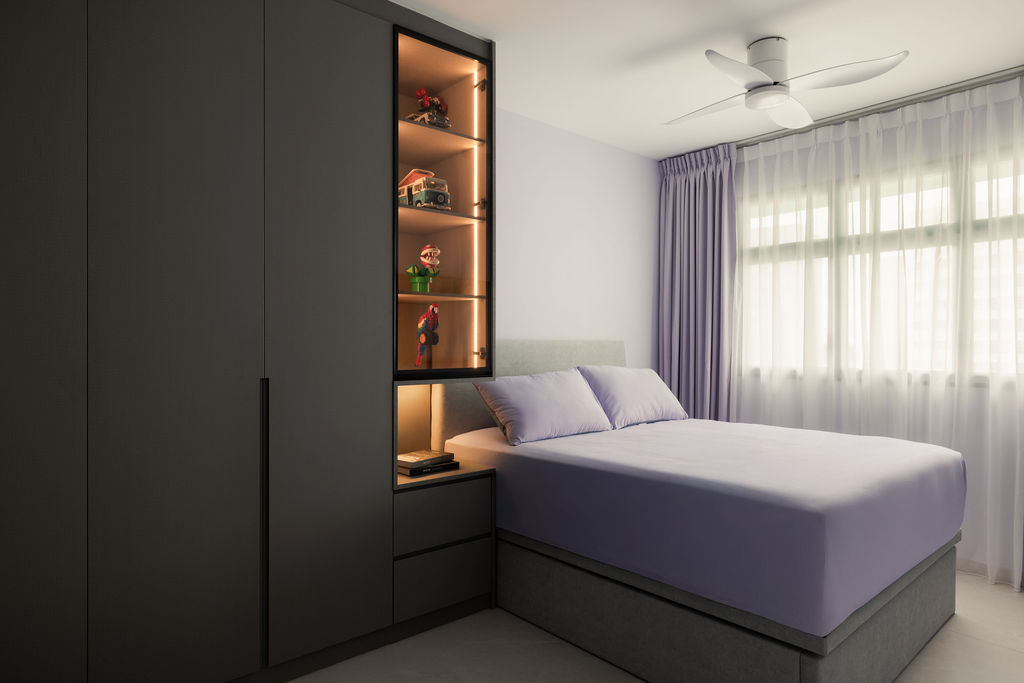
One of the biggest challenges in designing smaller homes is finding enough storage without making the space feel enclosed. Full-height solid cabinetry certainly provides excellent storage capacity, but when used excessively, it can visually dominate a room and create the impression of heavier walls. Glass display cabinets offer an effective alternative by introducing transparency, allowing the eye to travel beyond the cabinet face and perceive greater depth within the room.
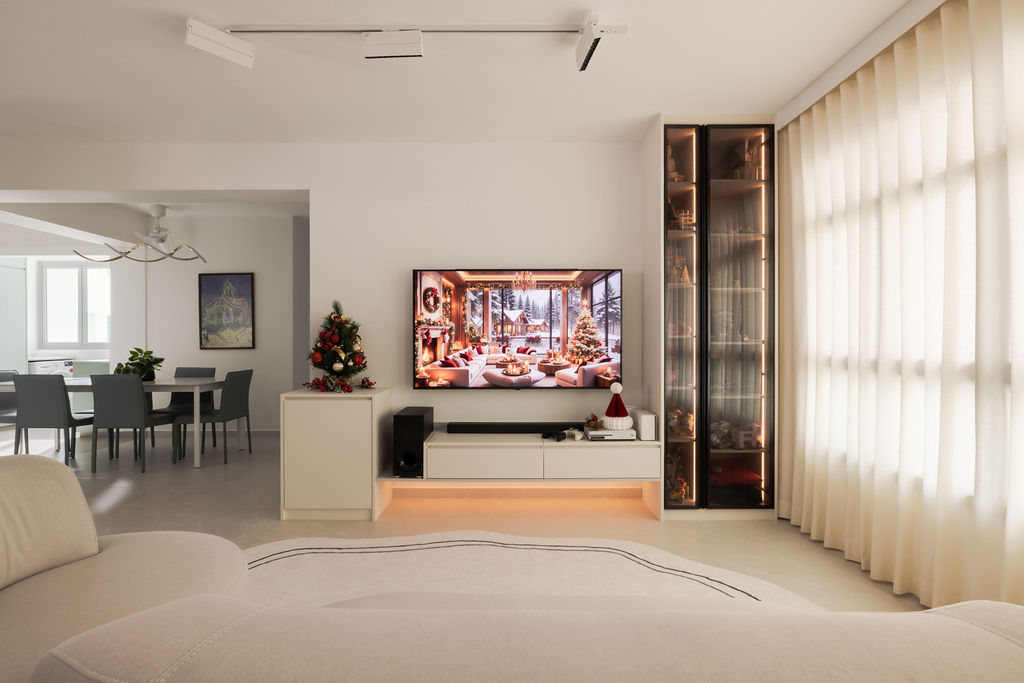
This effect is particularly noticeable in living spaces where cabinetry often occupies prominent walls. Instead of reading as a large block of joinery, a glass cabinet creates multiple layers through reflections, illuminated shelving, and displayed objects. The result is a piece of furniture that performs both a functional and decorative role while maintaining a lighter visual presence.
Lighting plays an equally important part in achieving this effect. Integrated LED strips positioned within the cabinet help separate displayed objects from the background, creating subtle shadows that add dimensionality. Rather than simply illuminating decorative items, concealed lighting transforms the cabinet into an architectural feature, especially during the evening when ambient lighting becomes more prominent. The cabinet itself becomes part of the room's lighting composition without overwhelming the overall atmosphere.
Another advantage of glass display cabinets is their ability to personalise a home. Many homeowners collect souvenirs, ceramics, books, watches, sculptures or family keepsakes that deserve to be seen rather than hidden away inside opaque cupboards. A well-designed display cabinet provides a dedicated location for these meaningful objects while protecting them from accidental damage and reducing dust accumulation compared to completely open shelving.
However, displaying everything is rarely the best approach. Effective styling depends on restraint. Leaving generous negative space between objects allows each item to stand out while preventing visual clutter. Designers often recommend grouping items in odd numbers, varying heights and textures, and introducing empty sections to create breathing room. This balanced composition ensures the cabinet enhances the space instead of becoming a source of distraction.
Glass also interacts uniquely with natural light. Throughout the day, sunlight reflects gently off the cabinet doors, adding subtle highlights that change as lighting conditions evolve. This dynamic quality gives interiors a sense of movement that solid cabinetry cannot achieve. In the evening, warm internal lighting takes over, creating a softer ambience that contributes to a cosy living environment.
Material selection is equally important. Slim black aluminium frames can introduce definition and contrast within lighter interiors, while frameless or lightly framed glass creates an even more minimal appearance. Clear glass remains the most common choice for display cabinetry because it offers maximum visibility, but fluted or tinted glass can be used when homeowners prefer a softer or more concealed presentation. These options partially obscure cabinet contents while still maintaining a sense of openness.
Maintenance is another consideration. While fingerprints and dust are naturally more visible on glass than solid laminate, modern glass coatings and regular cleaning make upkeep relatively straightforward. Compared to open shelving, glass doors significantly reduce the amount of dust that settles on displayed objects, meaning homeowners spend less time cleaning individual decorative pieces.
Glass display cabinets also work particularly well alongside solid storage. Frequently used household items such as documents, electronics, or children's toys can remain hidden behind closed cabinetry, while decorative objects occupy the illuminated glass sections. This combination provides both practicality and visual interest, allowing each type of storage to serve its most appropriate purpose.
For compact homes, positioning also matters. Locating a display cabinet near a window or beside a main circulation path allows it to capture natural light while creating an attractive focal point upon entering the room. Tall, narrow cabinets often work especially well in corners that might otherwise feel underutilised, drawing the eye upward and subtly emphasising the room's vertical proportions.
Ultimately, glass display cabinets demonstrate that storage does not have to be purely functional. When thoughtfully designed, they become architectural elements that contribute to light, depth, and personality. By balancing transparency with concealed storage, homeowners can enjoy organised living spaces that feel more open while celebrating the objects that make a house feel uniquely their own.
Yes. Glass cabinets reduce visual heaviness and create a greater sense of depth, making compact homes appear more spacious than using only solid cabinetry.
They require occasional cleaning to remove fingerprints, but they actually keep displayed items cleaner than open shelves by reducing dust accumulation.
Meaningful collections such as books, ceramics, sculptures, travel souvenirs, family keepsakes, or decorative accessories work best when displayed with sufficient spacing.
Clear glass offers maximum visibility, while fluted or tinted glass provides a softer appearance and partially conceals cabinet contents for a cleaner look.
Absolutely. Combining glass display sections with closed cabinets creates the ideal balance between showcasing decorative pieces and hiding everyday household items.