
Premium custom carpentry is defined by more than expensive materials. The quality lies in thoughtful detailing, precise craftsmanship, and how each element integrates with the surrounding space. From seamless alignment to concealed storage and carefully proportioned cabinetry, these subtle decisions create interiors that feel refined, timeless, and intentionally designed for everyday living.
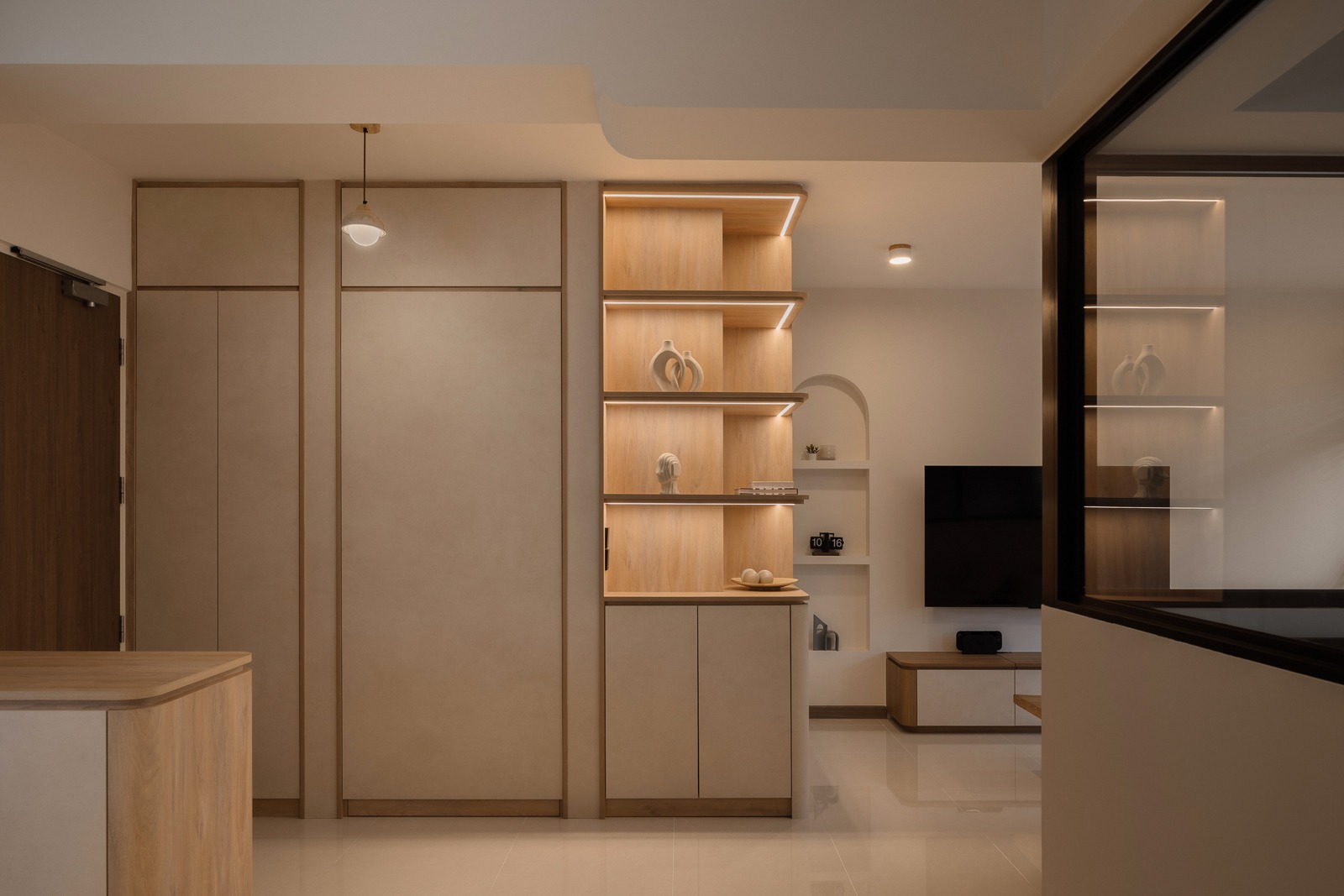
Many homeowners assume that premium carpentry is determined primarily by the type of laminate, veneer, or countertop selected. While materials certainly contribute to the overall appearance, what truly distinguishes high-quality custom carpentry is the attention given to design detailing, proportions, and execution. These are often the elements people notice subconsciously, even if they cannot immediately identify why one home feels more refined than another.
One of the most important characteristics of premium carpentry is visual consistency. Rather than treating each cabinet or storage unit as an independent piece of furniture, well-designed homes consider the relationship between every built-in element. Consistent panel widths, aligned horizontal and vertical lines, and repeated detailing help create visual order throughout the home. This continuity reduces visual clutter and allows different spaces to feel naturally connected.
Proportion also plays a significant role in perceived quality. Cabinet doors that are carefully sized to suit the surrounding architecture generally feel more elegant than oversized or unevenly divided panels. Open display sections should be intentionally proportioned instead of occupying leftover space, while shelving depths should balance functionality without making storage appear bulky. Thoughtful proportions allow carpentry to complement the room rather than dominate it.
Another defining feature is the use of concealed storage. Premium homes often minimise visible clutter by integrating storage behind full-height cabinetry or flush cabinet doors. Daily necessities remain easily accessible while maintaining clean visual surfaces throughout the space. This approach creates a calmer environment that is easier to maintain over time, particularly for busy households.
Open shelving and display niches are equally important when used selectively. Instead of exposing every possession, carefully positioned display areas create visual interest while allowing homeowners to personalise their interiors. Decorative objects, books, artwork, or plants can become focal points without overwhelming the room. Maintaining an appropriate balance between concealed storage and display shelving prevents the home from feeling either overly clinical or excessively cluttered.
Lighting integration further elevates custom carpentry beyond conventional cabinetry. Rather than relying solely on ceiling lighting, integrated LED lighting within shelving, display cabinets, wardrobes, or vanity units highlights textures and creates depth throughout the interior. These concealed light sources produce a softer ambience while improving visibility for practical everyday use. When thoughtfully incorporated, lighting becomes part of the carpentry itself rather than an afterthought.
The treatment of edges and corners also influences the perceived quality of bespoke joinery. Rounded corners, softened edges, and curved profiles create a more refined appearance while improving safety in compact homes. Curved detailing can help large cabinetry feel lighter visually, allowing substantial storage solutions to integrate more comfortably within smaller spaces. These details require greater craftsmanship but contribute significantly to the overall character of the home.
Handle selection is another subtle design decision that affects both aesthetics and usability. Many contemporary homes use recessed pulls, concealed handles, or integrated finger grooves to preserve uninterrupted surfaces. This creates a cleaner appearance while reducing visual distractions across large areas of cabinetry. However, successful handle design must also remain practical, ensuring doors and drawers can be comfortably operated for daily use.
Material transitions deserve equal consideration. Premium carpentry often combines timber textures, stone surfaces, painted finishes, or textured laminates with careful restraint. Rather than introducing numerous contrasting materials, designers typically repeat a limited palette throughout the home. This consistency enhances cohesion while allowing individual materials to become more visually impactful.
Craftsmanship ultimately determines whether even the best design achieves its intended result. Precise alignment of cabinet doors, consistent shadow gaps, smooth edge finishing, and accurate installation all contribute to the finished appearance. Small inconsistencies may appear insignificant individually, but collectively they affect how refined the entire space feels.
Finally, premium carpentry is always designed around the homeowner's lifestyle rather than purely for visual appeal. Storage configurations, shelf heights, drawer layouts, display areas, and concealed compartments should reflect how the occupants actually live. Bespoke joinery is most successful when it quietly supports everyday routines while maintaining a timeless aesthetic that continues to feel relevant for years to come.
When every design decision—from proportions and detailing to lighting and functionality—is considered holistically, custom carpentry becomes far more than built-in furniture. It becomes an integral architectural element that enhances both the beauty and practicality of the home.
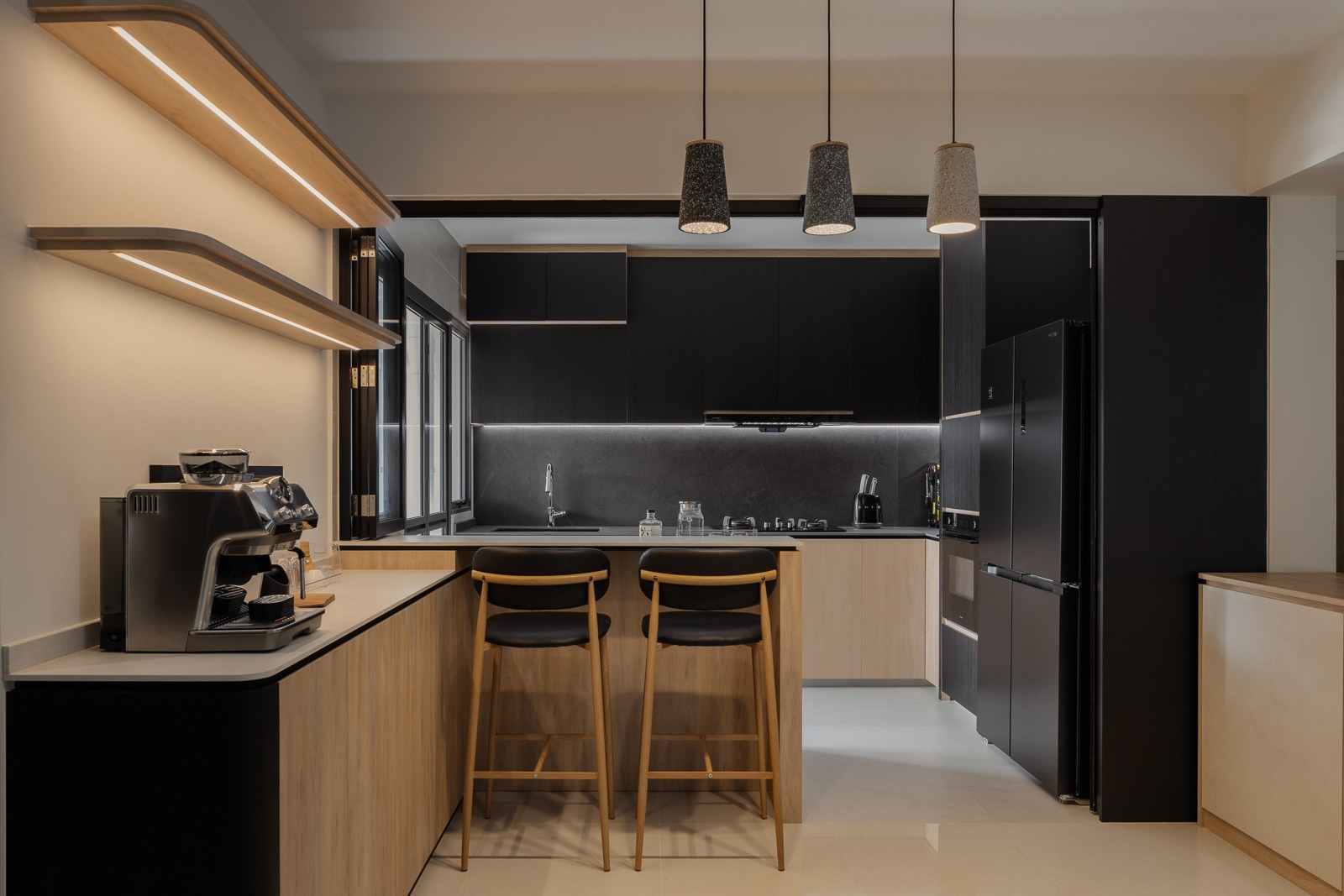
Premium carpentry combines thoughtful proportions, seamless detailing, concealed storage, integrated lighting, and precise craftsmanship to create a refined, cohesive appearance.
Handleless or recessed-handle cabinetry creates cleaner visual lines and reduces clutter, contributing to a more contemporary and premium aesthetic when designed correctly.
Integrated lighting highlights materials, improves visibility, creates depth, and enhances ambience without relying solely on ceiling lights.
Not necessarily. A limited and coordinated material palette generally creates greater visual cohesion than introducing numerous contrasting finishes.
Quality custom carpentry is tailored to the home’s layout and the homeowner’s lifestyle, offering improved storage, better space utilisation, and a timeless appearance that can enhance long-term value.