
Choosing interior materials should involve more than selecting colours from samples. Floors, countertops, cabinet surfaces and wall finishes experience different types of wear, moisture and maintenance. Understanding where and how a material will be used helps create an interior that remains practical long after the renovation is completed.
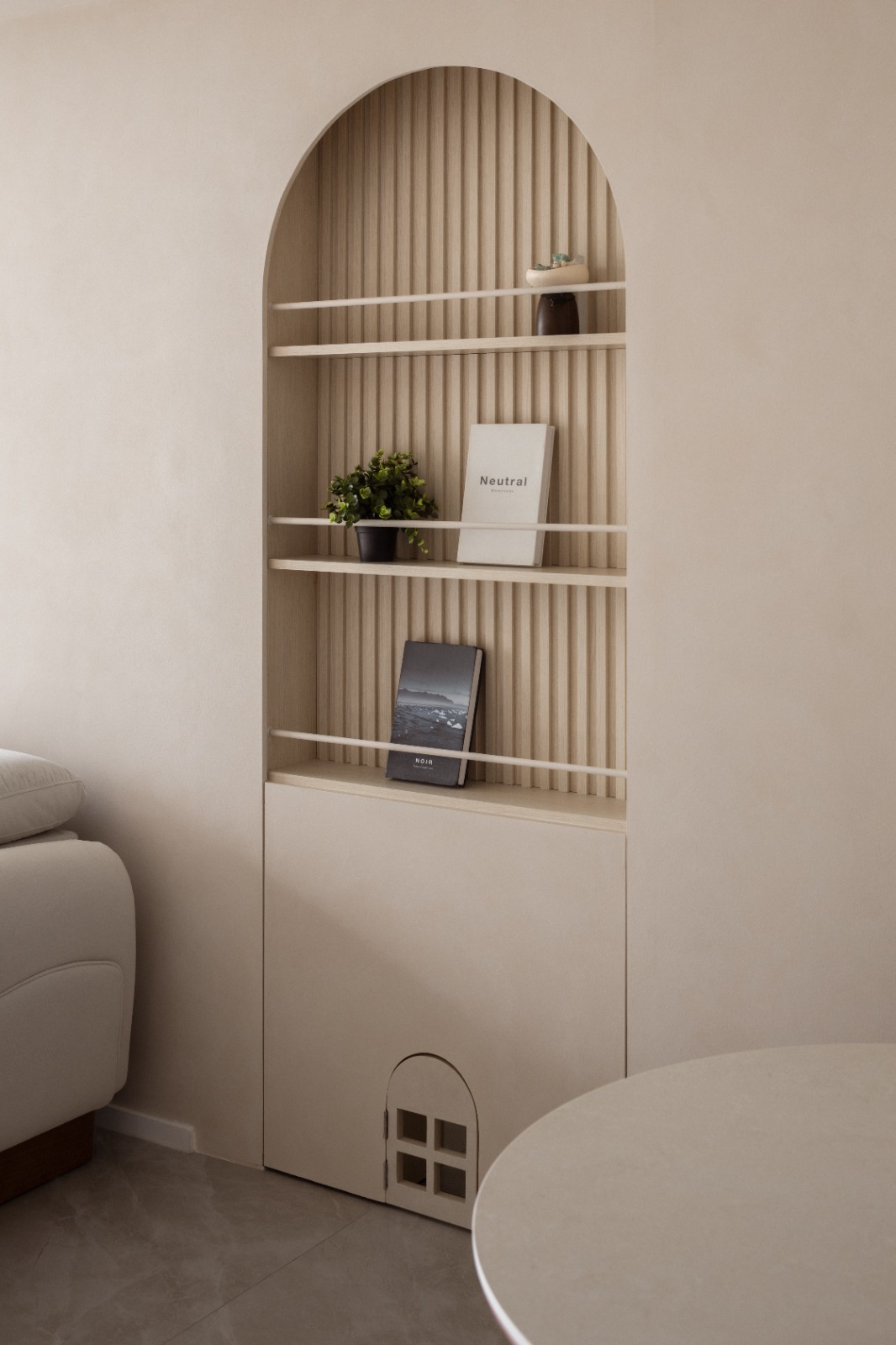
Material selection is one of the most visible parts of interior design, which is why discussions often begin with colour, pattern and texture. Yet appearance represents only one part of the decision.
Different areas of a home expose materials to very different conditions. Kitchen worktops encounter heat, spills and frequent cleaning. Bathroom surfaces face moisture. Flooring experiences repeated foot traffic, while cabinet fronts are touched many times each day.
The appropriate material therefore depends on its location and intended use.
Maintenance is particularly important. Some surfaces show fingerprints, water marks or scratches more readily than others. A finish that looks impressive in a sample may require considerably more upkeep when applied across an entire kitchen.
Texture also affects practical performance. Highly textured surfaces can introduce depth and character but may be more difficult to clean in locations exposed to grease or moisture. Smooth finishes may be easier to maintain but can reveal scratches or fingerprints depending on their sheen.
Material transitions should be considered as well. When several finishes meet within one room, their colours are only part of the relationship. Thickness, edge details, grout lines and junctions can influence whether the finished interior feels carefully resolved.
Lighting changes material perception dramatically. A surface viewed under showroom lighting may appear different beside a large window or under warm artificial illumination. Samples should therefore be assessed in conditions similar to the actual home whenever possible.
Using fewer materials can sometimes create a stronger interior. Repeating selected finishes between adjoining areas establishes continuity and reduces visual fragmentation.
This does not mean every room should be identical. Different spaces have different functional requirements. Instead, materials can share related tones or textures while changing according to performance needs.
Longevity should also influence decisions. Highly distinctive finishes can create immediate impact, but larger permanent surfaces are usually more difficult and expensive to replace than furniture or decorative accessories.
A practical approach is to place more restrained materials across large permanent surfaces and introduce stronger character through elements that can be changed more easily over time.
Ultimately, good material selection balances appearance, maintenance, durability and context. The most suitable material is not necessarily the most expensive or visually dramatic. It is the one that performs appropriately in its location while supporting the wider design of the home.

No. Suitability depends on performance, maintenance requirements and application rather than price alone.