
Natural materials have become a defining feature of modern interior design, not simply because they are timeless, but because they influence how a home feels to live in. By combining wood, stone-inspired surfaces and soft neutral colours, designers can create spaces that promote comfort, reduce visual stress and establish a stronger connection with nature without overwhelming the interior.
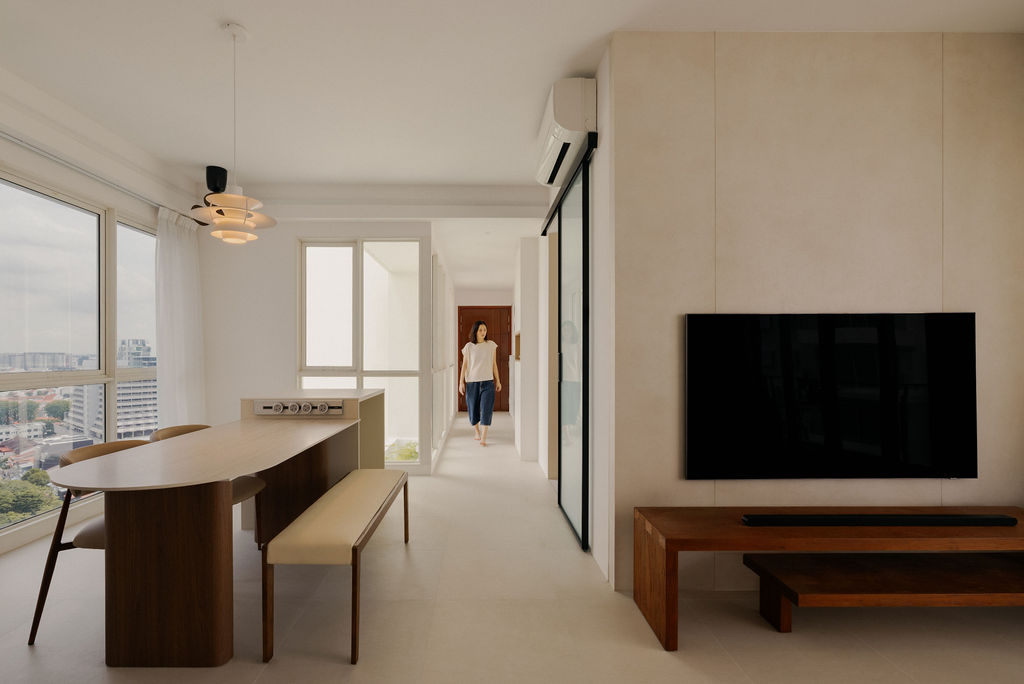
Creating a calm home goes beyond choosing neutral paint colours or keeping furniture to a minimum. One of the most effective ways to shape the atmosphere of an interior is through material selection. Natural materials bring warmth, texture and familiarity into a space, helping it feel more inviting while supporting a clean and timeless aesthetic.
Unlike highly polished or heavily patterned finishes, natural materials introduce subtle variations in colour and texture that add visual interest without demanding attention. This allows a room to feel layered and sophisticated while maintaining a sense of tranquillity.
Wood is one of the most versatile materials for creating warmth. Its natural grain introduces texture that softens the clean lines often found in minimalist interiors. In this home, wood appears consistently across the dining table, dining bench, television console and kitchen cabinetry. Rather than becoming the dominant material, these carefully placed wood elements balance the lighter walls, flooring and cabinetry, preventing the interior from feeling overly sterile.
Stone-inspired surfaces play a complementary role by providing a calm visual foundation. Light-coloured walls, large-format floor tiles and simple cabinet finishes establish a quiet backdrop that allows furniture, lighting and decorative elements to stand out naturally. Their subtle texture adds depth without creating unnecessary visual complexity, making the home feel cohesive from one room to the next.
Natural materials also influence how light interacts with the space. Matte finishes diffuse light more gently than glossy surfaces, reducing glare and creating a softer appearance throughout the day. Combined with generous windows that maximise daylight, these materials help brighten the home while maintaining a comfortable visual environment.
The careful balance between warm and cool materials is equally important. While wood introduces warmth, lighter stone-inspired finishes prevent the interior from becoming visually heavy. This balance allows the home to feel cosy without appearing dark, making it suitable for Singapore's tropical climate where bright, naturally lit interiors are often preferred.
Texture is another key contributor to a calming environment. Although this home uses a restrained colour palette, it introduces variety through different material finishes rather than contrasting colours. Smooth cabinetry, wood grain, textured fabrics and subtle tiled surfaces each contribute a different tactile quality. This layered approach keeps the interior visually engaging while preserving its minimalist character.
The bathrooms further demonstrate how natural materials can enhance comfort. Instead of relying on bold feature walls, the design introduces interest through textured tiles and glass blocks. The glass blocks allow natural light to filter into the shower area while maintaining privacy, creating a brighter and more open atmosphere. Meanwhile, the textured wall finishes provide gentle variation without disrupting the overall neutral palette.
Material consistency across different rooms also strengthens the home's calming effect. Similar colours, wood finishes and surface textures appear throughout the living spaces, bedrooms and kitchen, creating smooth visual transitions as occupants move from one area to another. Rather than feeling like separate rooms with unrelated identities, the home functions as one cohesive environment.
Natural materials are also highly adaptable over time. Their timeless appearance allows homeowners to update furniture, lighting or decorative accessories without needing to renovate the entire interior. Because the underlying material palette remains neutral and balanced, new pieces can be introduced without clashing with the existing design.
Beyond aesthetics, natural materials contribute to emotional comfort. Research in environmental psychology has shown that interiors inspired by nature can help reduce stress, improve relaxation and create a stronger sense of wellbeing. While every home is different, incorporating materials that reflect natural landscapes often makes living spaces feel more restorative after a busy day.
Ultimately, creating a calmer home is not about filling every room with wood or stone. It is about understanding how different materials complement one another and using each intentionally. By combining wood, stone-inspired finishes, soft textures and abundant natural light, designers can create interiors that feel warm, balanced and timeless, offering homeowners a peaceful environment that remains enjoyable for years to come.
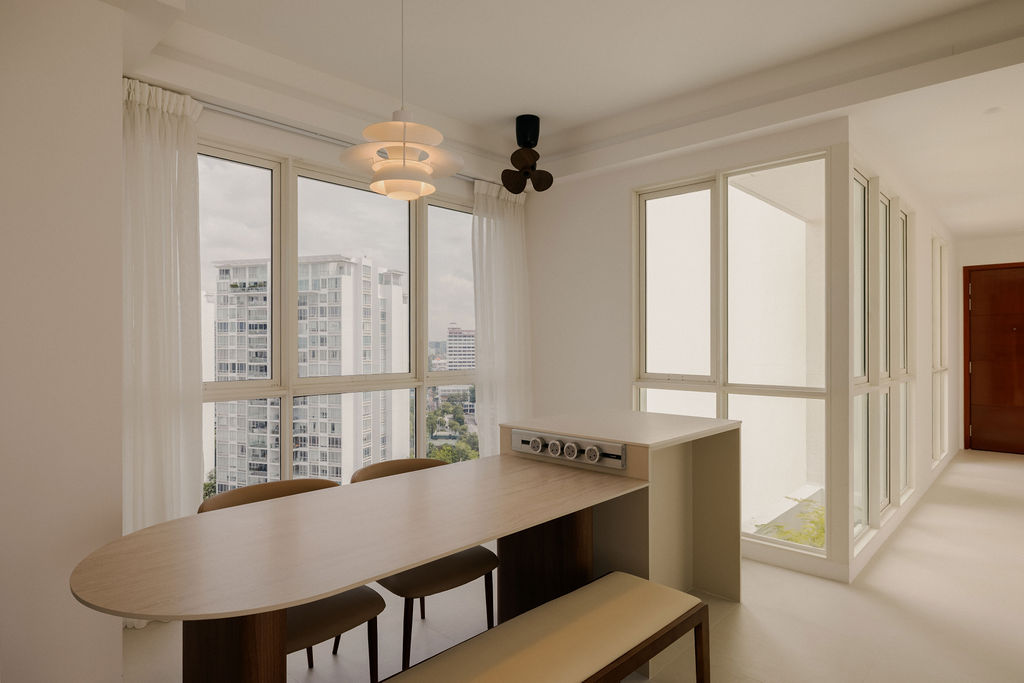
Natural materials often feature softer colours and organic textures that reduce visual noise, creating spaces that feel more relaxing and comfortable.
Using wood as an accent through furniture, cabinetry or feature pieces allows it to add warmth while lighter walls and flooring maintain a bright, open atmosphere.
Wood, stone-inspired surfaces, textured fabrics, matte finishes and neutral-coloured tiles complement one another while creating depth without overwhelming the space.
Matte finishes soften reflections, reduce glare and create a more natural appearance, helping interiors feel calm and visually balanced.
Natural materials have enduring appeal because they are less influenced by changing trends. Their neutral colours and organic textures remain versatile, allowing homeowners to update furniture and décor without replacing the home’s core finishes.