
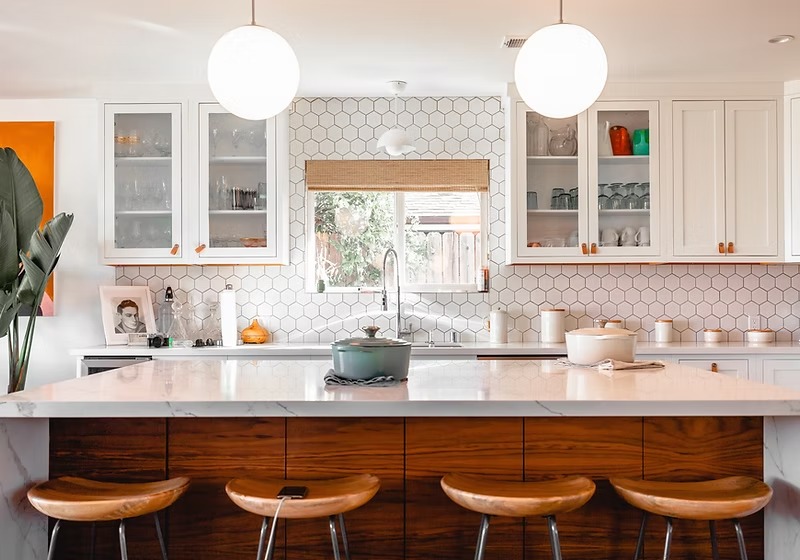
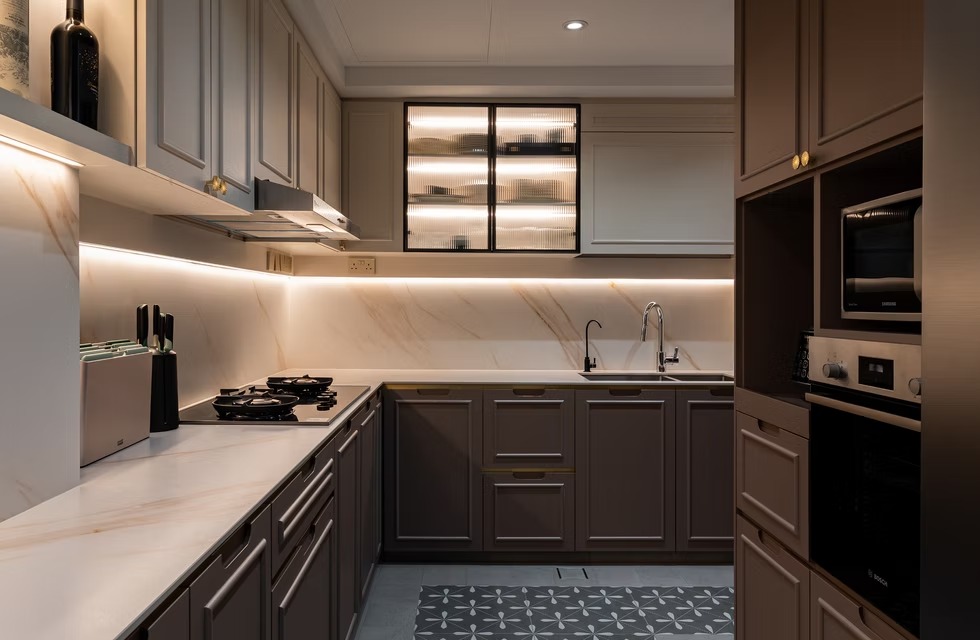
the average cost of renovating a landed property in singapore usually ranges from $100,000 to $500,000 or more, depending on the scope of work and material quality. smaller upgrades like painting or flooring fall at the lower end, while full remodels or structural changes push costs higher. here’s a simple breakdown to help you visualise:
minor renovation
(fresh paint, new flooring, small fixtures)
medium renovation
(kitchen or bathroom remodels, moderate carpentry, upgraded finishes)
major renovation
(structural works, layout changes, premium materials)
extensive overhaul or rebuild
(structural works, layout changes, premium materials)
1
Bigger homes naturally cost more to renovate since they require more materials and labour. Complex layouts, such as split-levels or extensions, can also add to costs.
2
Light renovations focus on surface updates like flooring, paint, or fittings. Extensive projects involve structural changes, major layout adjustments, or even partial reconstruction, which quickly increase the budget.
3
The choice of materials is one of the biggest cost drivers. Standard finishes like laminate or vinyl keep costs lower, while premium options like marble, solid wood, or designer fittings can multiply expenses.
4
Custom-made carpentry, intricate designs, or bespoke fittings raise renovation costs. Simple, practical designs are usually more cost-effective compared to tailored, high-end finishes.
5
Labour charges vary depending on contractor expertise and accreditation. Hiring licensed and accredited professionals, while sometimes pricier, ensures compliance with regulations and often comes with quality assurance.
renovating a landed home is very different from upgrading a condo. both require approvals, but the scale, rules, and costs vary significantly.
condo renovations are regulated by mcst, focusing on noise, façade uniformity, and hours. landed properties usually need approvals from ura and bca, especially for structural work or extensions.
condo residents face stricter limits on working hours and restrictions on external alterations to maintain a uniform look. landed homeowners enjoy more freedom with external upgrades, but they must still comply with zoning laws, height limits, and building setbacks.
1
haulage and debris disposal fees
2
gst, permits, and renovation deposits
3
temporary accommodation costs
1
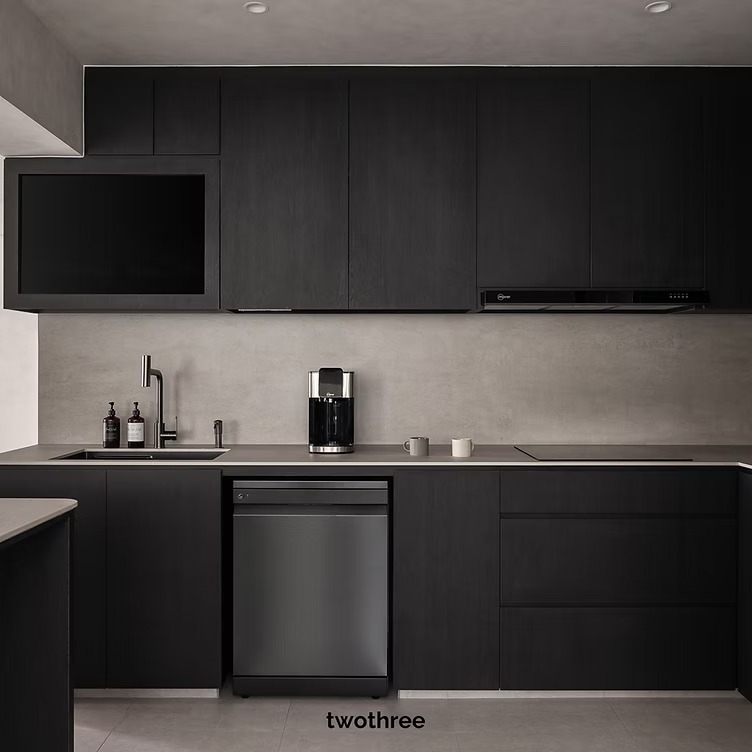
Modernising the kitchen and bathrooms usually brings the highest returns. Quality finishes, efficient layouts, and durable fixtures make these spaces more functional and attractive.
2
Custom carpentry, like wardrobes or shelving, maximises space and adds practical elegance. Upgrading flooring with durable, timeless materials also improves comfort and increases property value.
1
Not everything needs to be replaced. Refreshing old cabinets with new laminates or repainting existing doors can save thousands while still giving your home a fresh look.
2
Always request itemised quotes from at least two or three contractors. This helps you avoid hidden charges and ensures you understand exactly what you are paying for.
3
If your budget is tight, prioritise essential areas first, like the kitchen and bathrooms. You can add decorative elements or non-urgent upgrades later when funds allow.
4
Elaborate details like complex ceilings or luxury finishes can drive costs up quickly. Opting for a clean, minimalist design helps you stay on budget while creating timeless interiors.
landed house renovation cost
The average cost ranges from $100,000 to $500,000 depending on size, design, and materials.
The biggest factors are property size, complexity of works, choice of materials, and structural changes.
Yes, landed homes usually cost more due to larger space, structural works, and stricter regulations.
Timelines vary but typically range from 9 months to 24 months depending on the scale of works.
Yes, approvals from URA and BCA are required for structural or major external changes.
You can, but renovation loans have caps. For large projects, personal loans or home equity loans may be better.
Kitchen and bathroom upgrades, flooring, and exterior improvements often give the highest returns.
Plan carefully, get multiple quotes, set aside a contingency fund, and stick to your renovation priorities.