
Noise can affect concentration, sleep and everyday comfort, particularly in apartments where living spaces are close to neighbouring homes and shared facilities. However, improving acoustic comfort involves more than adding soft furnishings or installing decorative wall panels. Different types of noise require different solutions. Understanding how sound travels through a home helps Singapore homeowners make informed renovation decisions and avoid spending on treatments that may not address the underlying problem.
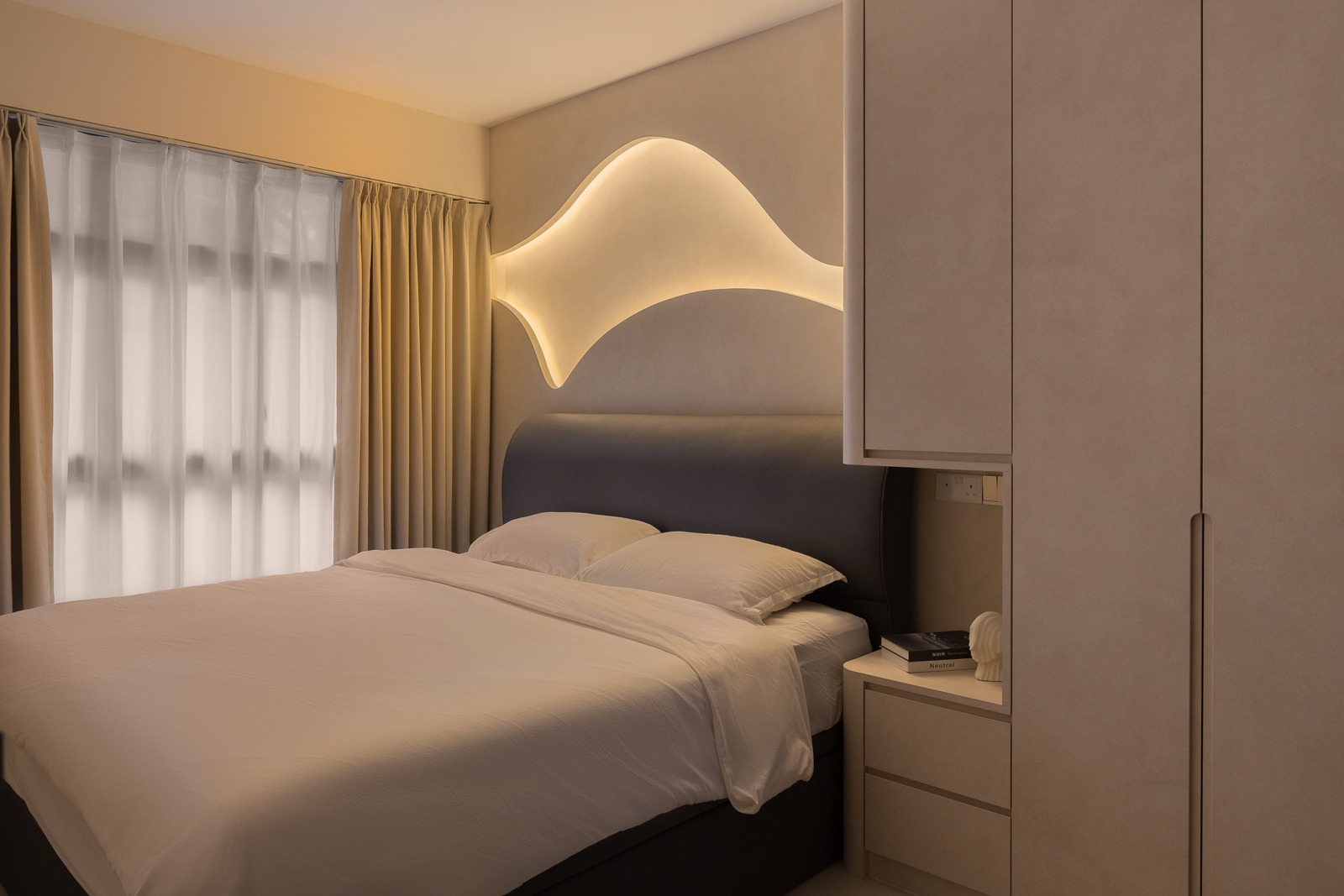
Acoustic comfort is an important consideration in residential interior design, particularly in high-density environments such as Singapore's HDB estates and condominium developments. Noise may originate from neighbouring units, corridors, nearby roads, household appliances or activities within the home itself. Although these sounds can create similar disturbances, they do not necessarily travel through the building in the same way. Identifying the source and transmission path is therefore essential before deciding on an acoustic improvement.
One of the most important distinctions is between airborne noise and impact noise. Airborne noise includes speech, television audio, music and traffic sounds transmitted through the air. Impact noise results from physical contact with building elements, such as footsteps, dropped objects or furniture movement. These vibrations can travel through floors, walls and structural connections. A treatment that reduces airborne sound may have limited effect on impact noise, which explains why acoustic solutions should be selected according to the specific problem.
Homeowners should also distinguish between sound insulation and sound absorption. Sound insulation aims to reduce the amount of sound transmitted between spaces, while sound absorption reduces reflections within a room. Soft furnishings, rugs and acoustic panels can help manage reverberation, making conversations clearer and reducing the impression of a harsh or echoing interior. However, they do not necessarily prevent external noise from entering. Installing decorative acoustic panels on a bedroom wall, for example, may improve the room's internal acoustics without significantly reducing sound transmitted from a neighbouring unit.
Windows are a common point of concern in apartments exposed to traffic or outdoor activity. Sound can enter through the glazing itself and through gaps around frames or poorly sealed openings. The effectiveness of a window system depends on several factors, including glass composition, thickness, air gaps, frame construction and installation quality. Double glazing may improve acoustic performance, but it is not automatically superior to every alternative glazing configuration. Homeowners should review tested acoustic specifications for the complete window assembly rather than evaluating glass thickness alone.
Any proposed window replacement must also comply with applicable building requirements. HDB homeowners should confirm the relevant regulations and engage appropriately qualified or approved installers where required. Condominium residents should consult their management corporation before changing windows, as external appearance and building specifications may be controlled. Acoustic improvements should never compromise window safety, ventilation requirements or regulatory compliance.
Doors can also influence sound transmission between rooms. A lightweight hollow-core door generally offers less resistance to airborne sound than a suitably constructed heavier door, although actual performance depends on the entire installation. Gaps beneath doors and around frames can allow sound to pass even when the door leaf itself provides reasonable insulation. Appropriate perimeter seals and carefully detailed door bottoms may improve performance, provided they do not interfere with ventilation, safe operation or other building requirements.
Within the home, room layout can reduce unnecessary noise disturbance. Positioning a study or bedroom away from frequently used communal areas may help create a quieter environment. Where this is not possible, furniture placement can provide some separation between activities. For example, placing a workstation away from the television wall can reduce direct exposure to household noise. However, furniture arrangements cannot replace proper sound insulation when significant transmission occurs through building elements.
Floor finishes influence how impact sounds are generated within a room. Hard surfaces such as tiles can produce noticeable footfall and furniture movement noise, while carpets and rugs can soften certain impacts. Acoustic underlayments may provide additional benefits when used as part of a properly specified flooring system. Their effectiveness depends on the floor construction, installation method and type of impact being addressed. Homeowners should not assume that a thicker underlayment will necessarily deliver better results.
Condominium developments may have specific acoustic requirements for flooring alterations, particularly when replacing carpet or other finishes with hard flooring. These requirements can include approved installation methods or acoustic performance standards. Homeowners should confirm the relevant management rules before purchasing materials or proceeding with construction. In HDB flats, flooring works must similarly comply with applicable renovation requirements.
Internal partitions can be designed to improve separation between rooms, but their effectiveness depends on construction details. Additional layers of suitable boards, insulation within cavities and carefully controlled gaps can contribute to acoustic performance. Nevertheless, sound may continue to travel through ceilings, floors, doors or adjoining structures. This indirect transmission, often referred to as flanking transmission, means that improving one wall does not guarantee a corresponding reduction in overall noise.
Mechanical equipment also deserves consideration. Air-conditioning units, ventilation fans and other appliances can produce both airborne sound and vibration. Selecting appropriately rated equipment, following installation instructions and maintaining mechanical components can help manage unnecessary noise. Poorly supported equipment or vibrating components may transmit sound through adjoining surfaces, making installation quality as important as the equipment's stated operating noise.
Before investing in extensive acoustic construction, homeowners should establish realistic expectations. Complete soundproofing is rarely practical in an ordinary residential renovation, particularly where the noise originates through shared structural elements. Where noise disturbance is substantial, an acoustic specialist may be needed to assess the transmission paths and recommend suitable interventions.
A quieter home is achieved through understanding how sound behaves rather than relying on a single product. By identifying noise sources, distinguishing insulation from absorption and coordinating acoustic considerations with the renovation design, homeowners can make more effective decisions that support privacy, concentration and everyday comfort.

Ideally, yes. Acoustic treatments may affect partition construction, flooring systems, door specifications and electrical planning. Early assessment allows these elements to be coordinated before finishes are installed.