
Storage is often treated as a question of how many cabinets can fit into a home. A better approach is to consider how storage affects the way a space looks and functions. When cabinetry is integrated into walls, planned around daily routines and balanced with open areas, homeowners can gain substantial storage without making their interiors feel unnecessarily heavy or crowded.
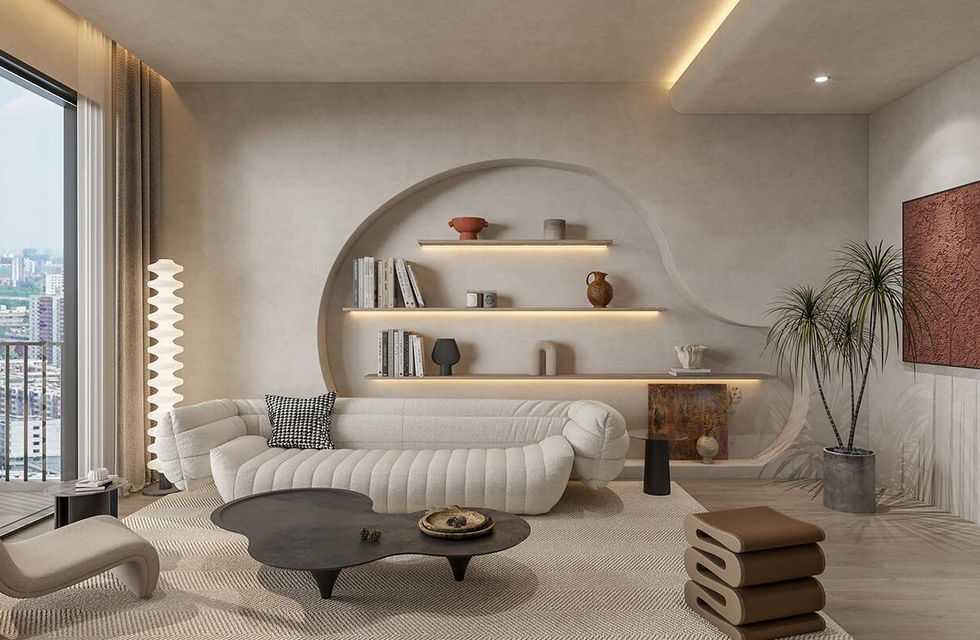
One of the biggest challenges in compact homes is that increasing storage can easily make rooms feel smaller. Large wardrobes, freestanding cabinets and multiple storage units occupy both physical and visual space. The solution is not necessarily to reduce storage, but to design it as part of the architecture.
Built-in cabinetry can help because it allows storage to follow the proportions of the room. Instead of introducing several individual pieces of furniture, storage can be consolidated into larger continuous surfaces.
Full-height cabinetry is particularly useful where floor space is limited. Extending storage vertically allows less frequently used belongings to occupy upper compartments while everyday items remain within easier reach. However, filling every available wall with full-height cabinets can create the opposite problem by making the room feel enclosed.
The key is deciding which walls should carry visual weight.
A large storage wall may work effectively when the surrounding surfaces remain relatively simple. Using similar tones for cabinetry and adjacent walls can further reduce contrast, allowing the cabinet mass to visually recede rather than becoming the dominant feature of the room.
Cabinet proportions also matter. Long uninterrupted rows of doors can appear imposing, particularly in narrow spaces. Breaking the composition with a recessed display area, open shelf or functional niche can provide visual relief.
These openings should serve a purpose. An illuminated niche might display selected objects, while another could function as a charging station, coffee counter or everyday drop zone. This creates variation without requiring additional freestanding furniture.
Storage should also be planned according to what actually needs to be stored. Designing generic shelves first and deciding what goes inside later often results in inefficient compartments.
For example, shoes require different dimensions from cleaning equipment, luggage or household appliances. A vacuum cleaner may require a tall compartment with access to a power point, while frequently used items should generally be positioned at convenient heights.
This is why internal cabinet planning can be just as important as the exterior appearance.
Integrated storage can also reduce the number of objects visible within a room. When everyday belongings have dedicated locations, countertops, dining tables and circulation areas are less likely to become temporary storage surfaces.
However, completely concealing everything is not always necessary. A combination of closed storage and selective display can make a home feel more personal. The objective is to control what remains visible rather than eliminate every object.
Furniture integration offers another opportunity. Window seating can incorporate drawers, television consoles can provide concealed storage, and platform or bench elements can sometimes serve multiple functions. Combining functions can reduce the need for separate pieces of furniture.
Corners deserve particular attention as well. Sharp cabinet projections can make circulation feel tighter. Where appropriate, rounded ends, recessed sections or shallower cabinetry near circulation routes can create smoother transitions.
Colour and material consistency can further unify storage across the home. Repeating a restrained selection of finishes prevents every cabinet from becoming a separate visual statement.
Ultimately, effective built-in storage is not measured only by the number of compartments created. Good storage should accommodate household belongings while supporting circulation, visual balance and everyday routines. When these factors are considered together, substantial cabinetry can actually help a compact home feel calmer and more spacious rather than more crowded.

In some areas, yes. Integrated benches, television consoles and multipurpose cabinetry can reduce the need for additional freestanding pieces.