
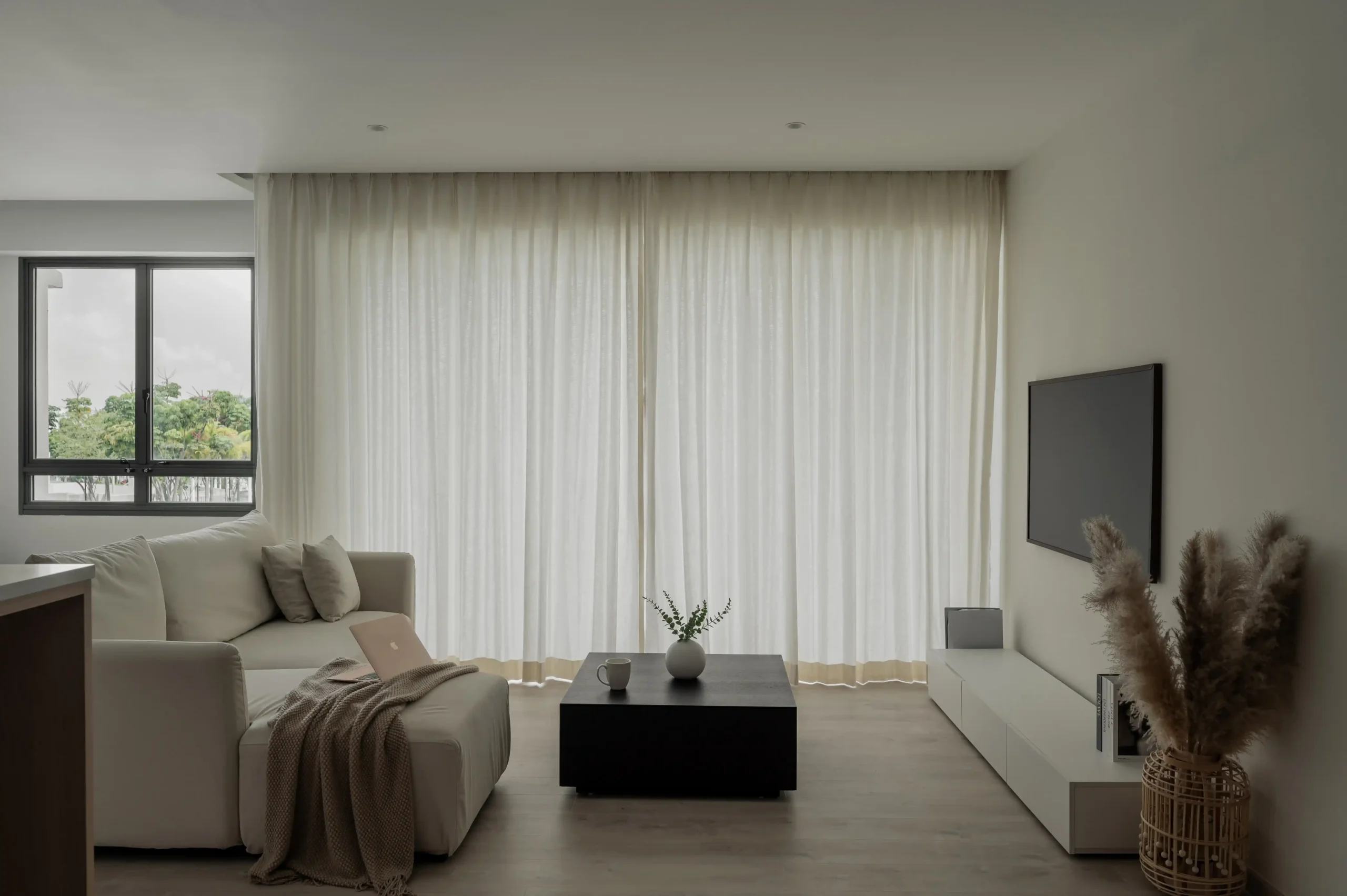
Quick answer: First time owners should budget before designing, appoint an HDB registered contractor, allow about seven working days for the renovation permit, and keep ten to fifteen per cent aside for contingency. Most flats take three to five months end to end.
Start with the budget, not the mood board
The most common first time home renovation error is designing first and costing second. It feels natural, and it is backwards. A design produced without a number attached almost always lands above what the owner intended to spend, and the trimming that follows removes the things that mattered.
Set a figure before the first consultation, then design inside it. If you are unsure what is realistic for your flat type, our breakdown of HDB renovation costs in Singapore gives current ranges by scope rather than vague averages.
Hold back ten to fifteen per cent as contingency and treat it as untouchable. Concealed pipework, uneven screed and the odd wall that cannot be moved are normal discoveries, not disasters, provided the money to deal with them already exists.
Permits and the rules that decide what is possible
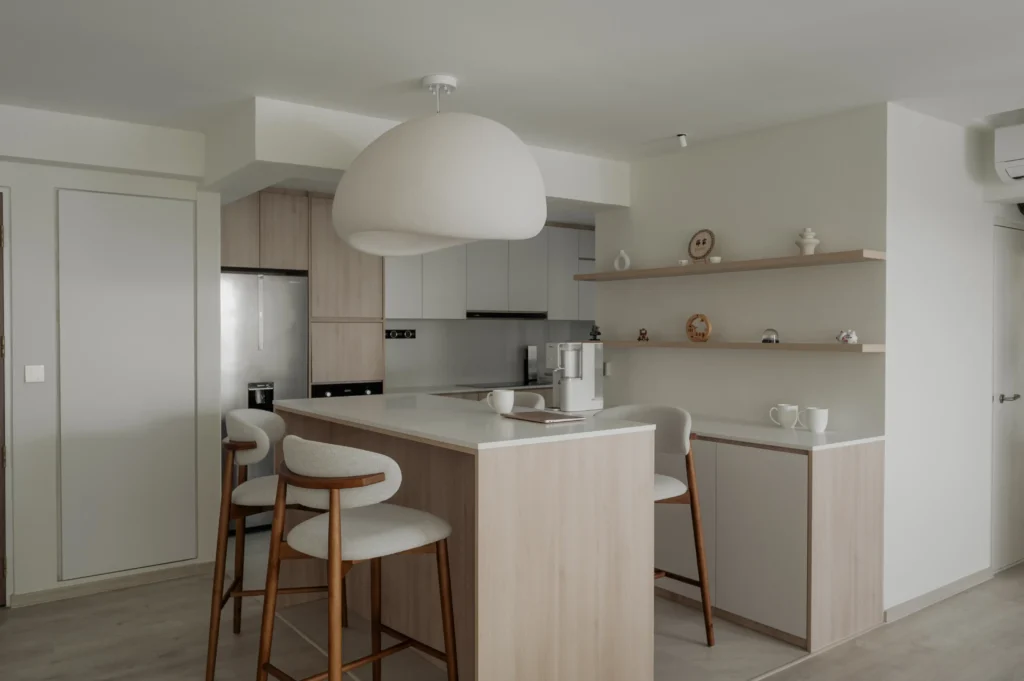
Only an HDB registered contractor can apply for your renovation permit. It costs a small fee, takes around seven working days, and the notice must stay displayed outside your flat for the duration of works. Our walkthrough on applying for an HDB renovation permit covers the submission itself.
The permit lasts three months. Works running longer need an extension applied for before expiry, not after. Hacking, plumbing changes and wet area modifications all need prior approval, and some structural elements cannot be touched at all. Read the HDB renovation rules and regulations before you fall in love with a layout that is not permitted.
This matters more than it sounds. A layout that assumes a wall comes down, when that wall is structural, unravels the entire design. Checking early costs nothing. Checking late costs a redesign.
Interior designer or contractor, and how to choose
A contractor executes a scope you define. An interior designer defines the scope, coordinates the trades and carries the design risk. Owners with a clear plan and time to manage it can do well with a contractor. Owners renovating for the first time, while working full time, usually cannot.
Whichever route you take, check three things. That the firm is HDB licensed. That it holds CaseTrust accreditation, which sets standards for deposits and fair dealing. And that you have seen completed work in person, not only in photographs.
Ask what happens when something goes wrong, because something will. The answer tells you more than the portfolio does. Our own approach to HDB interior design starts with a non obligatory 2D proposal so the scope is agreed before anyone commits.
Renovation mistakes to avoid
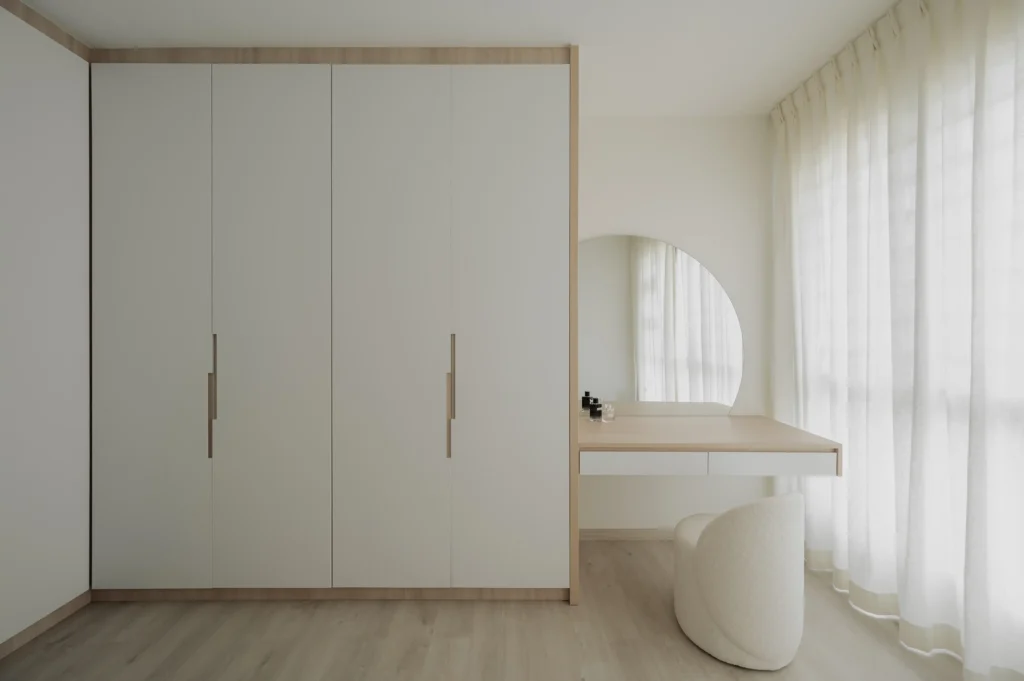
Changing your mind after works start. Every mid project change reopens finished work, and the cost is never just the change itself. Decide layout, finishes and carpentry before hacking begins.
- Underestimating carpentry lead time. Fabrication runs four to six weeks off site, which means kitchen and wardrobe decisions are early decisions, not late ones. This shapes the whole BTO renovation timeline, so plan around it from the start.
- Skimping where it is hardest to redo. Waterproofing, electrical points and kitchen carpentry are the items you cannot cheaply revisit once the flat is finished. Soft furnishings can wait. These cannot.
- Booking the movers too early. Handover carries a defects period, and furniture arriving mid rectification helps nobody. Give yourself three weeks of slack after the contractual completion date.
A sensible order for your first renovation
Budget, then rules, then design, then contractor, then schedule. Owners who follow that order spend less and change less, and the flat they move into resembles the one they imagined. Owners who start with the mood board tend to meet the budget at the end, when the options have narrowed. You can see how the finished result looks across a range of Singapore homes on the Twothree Design homepage.
If you have just collected keys and want the sequence mapped to your own flat, arrange a consultation with our team. We will set out the scope, the realistic budget band and the permit path before you commit to anything.
Book a non obligatory consultation and receive a complimentary 2D design proposal for your flat.