
Bathroom design is often approached through tiles, fittings and visual style, but maintenance should be considered just as carefully. Water, soap residue, humidity and frequent use make bathrooms one of the most demanding areas of a home. Planning surfaces, storage and wet zones with cleaning in mind can make the bathroom easier to maintain without compromising its appearance.
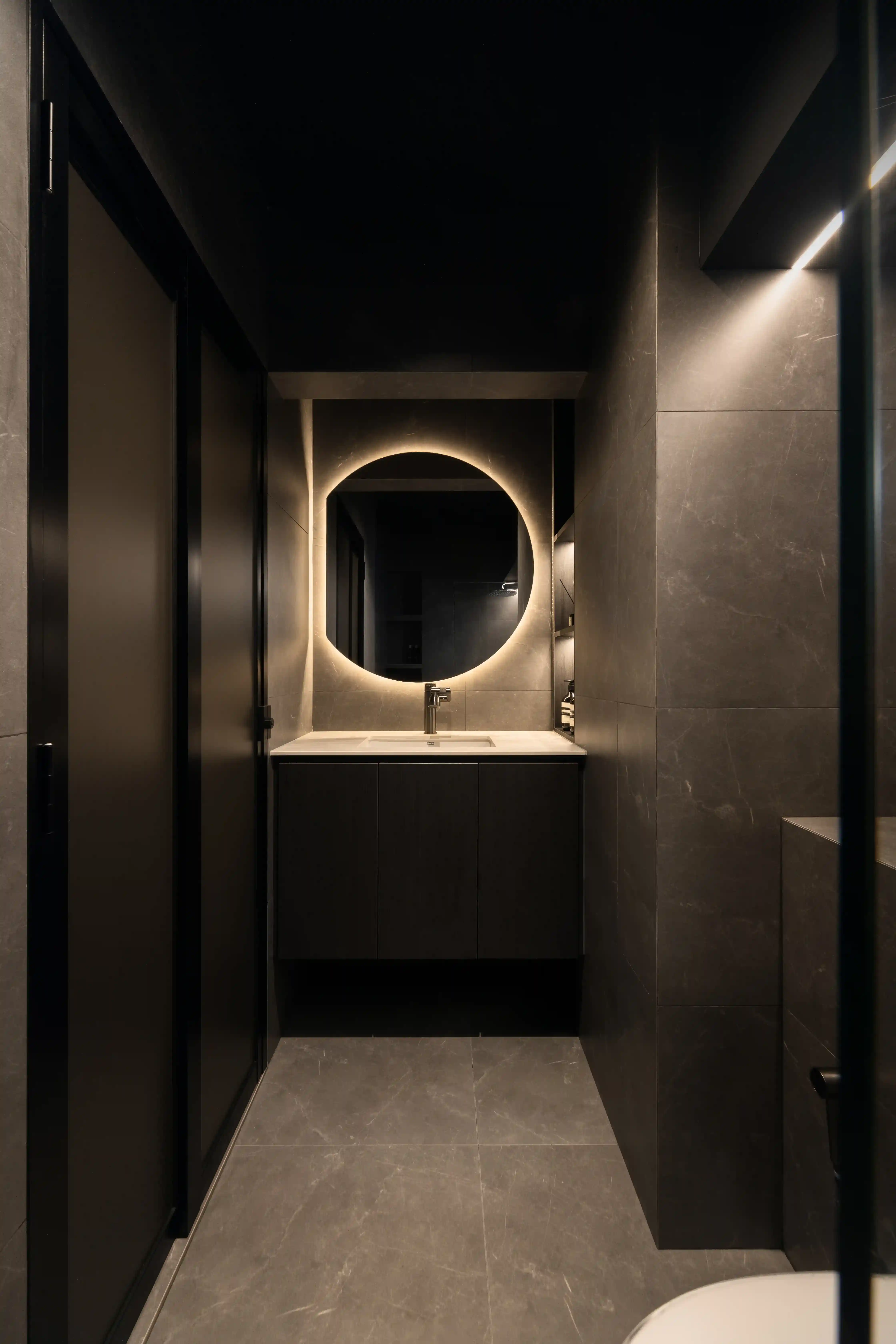
Bathrooms experience conditions that most other rooms do not. Surfaces are repeatedly exposed to water, humidity, toiletries and cleaning products, which means small design decisions can have a considerable impact on long-term maintenance.
One useful principle is to reduce unnecessary ledges and joints. Every horizontal surface can potentially collect water, dust or toiletries, while additional corners create more areas that need cleaning.
This does not mean bathrooms should have no storage. Toiletries need accessible locations, particularly within the shower. The objective is to provide dedicated storage rather than allowing bottles to accumulate around the floor or window ledges.
Recessed shower niches are one solution. Because the storage is incorporated into the wall, it does not project significantly into the shower area. The niche should still be designed carefully so water does not remain unnecessarily on its surfaces.
Vanity storage is equally important. Everyday grooming products can quickly clutter a countertop when drawers or cabinets are insufficient. Planning internal storage around commonly used items allows the basin area to remain easier to clean.
Wall-mounted vanities can provide another maintenance advantage by leaving the floor beneath the cabinet accessible. This removes the difficult junction between cabinet sides and the floor while also creating a visually lighter appearance.
Material selection should reflect the bathroom's wet conditions. A surface chosen for appearance alone may become frustrating if it requires constant maintenance or reacts poorly to frequent exposure to moisture and cleaning products.
Tile size influences the number of grout joints within the room. Larger tiles can reduce the total amount of grout, although tile dimensions should still work appropriately with floor gradients and the proportions of the space.
Grout itself should not be treated as an afterthought. Its colour affects both the appearance of the tiled surface and how readily everyday discolouration becomes visible.
Drainage is another fundamental consideration. Bathroom floors need appropriate falls so water travels towards drainage points rather than collecting in low areas. This is particularly important within shower zones.
Shower screens should also be planned around cleaning and water containment. More panels and framing can create additional joints, while insufficient screening may allow water to spread into dry areas. The appropriate configuration depends on the bathroom layout rather than simply choosing the most minimal-looking option.
Ventilation plays an important role in moisture management. Bathrooms should be able to dry effectively after use, as persistently humid conditions can contribute to mould and deterioration of finishes.
Mirrors and lighting should be coordinated with practical use as well. Providing suitable illumination around the vanity makes grooming easier, while locating electrical fittings appropriately requires consideration of wet areas and applicable safety requirements.
The division between wet and dry zones can further simplify maintenance. Keeping shower water concentrated within one area reduces the number of surfaces that become wet during everyday use.
Even decorative details should be considered from a maintenance perspective. Highly intricate fittings and deeply textured surfaces may provide visual interest, but they can require more effort to clean than simpler alternatives.
Designing an easy-to-maintain bathroom therefore does not mean eliminating character. Colour can come through cabinetry, texture can be introduced selectively and fittings can still provide visual interest.
The difference is that each decision considers what happens after the renovation is complete. A bathroom is used and cleaned every day, so successful design should make both activities easier.
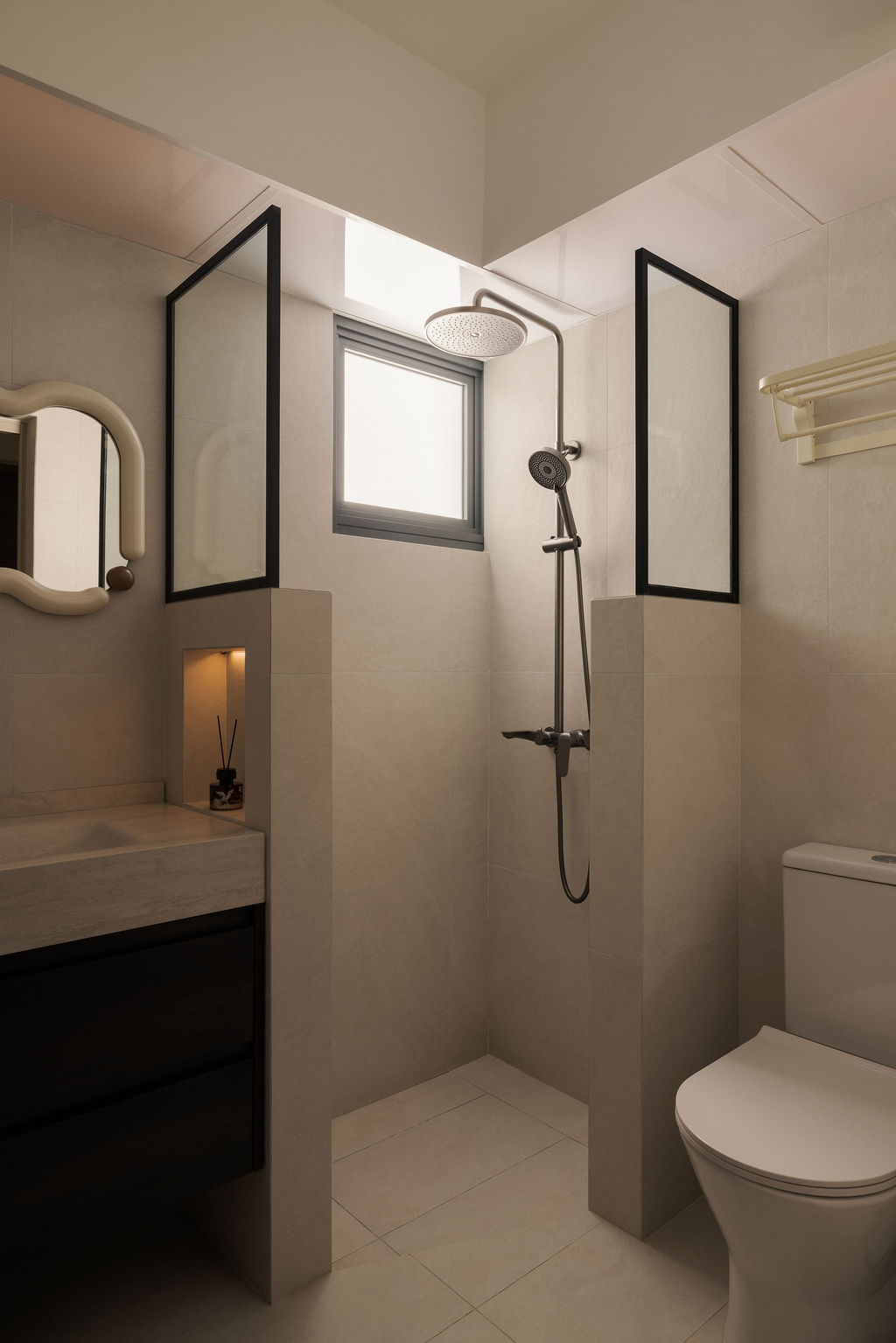
Effective ventilation helps the bathroom dry after use and reduces prolonged humidity, which can contribute to mould and deterioration of finishes.