
Lighting design is about more than choosing attractive fixtures. Different activities require different levels and directions of light, and relying on a single source can leave a home either excessively bright or insufficiently illuminated. A layered lighting plan combines several types of illumination so that each room can adapt to different activities and moods.
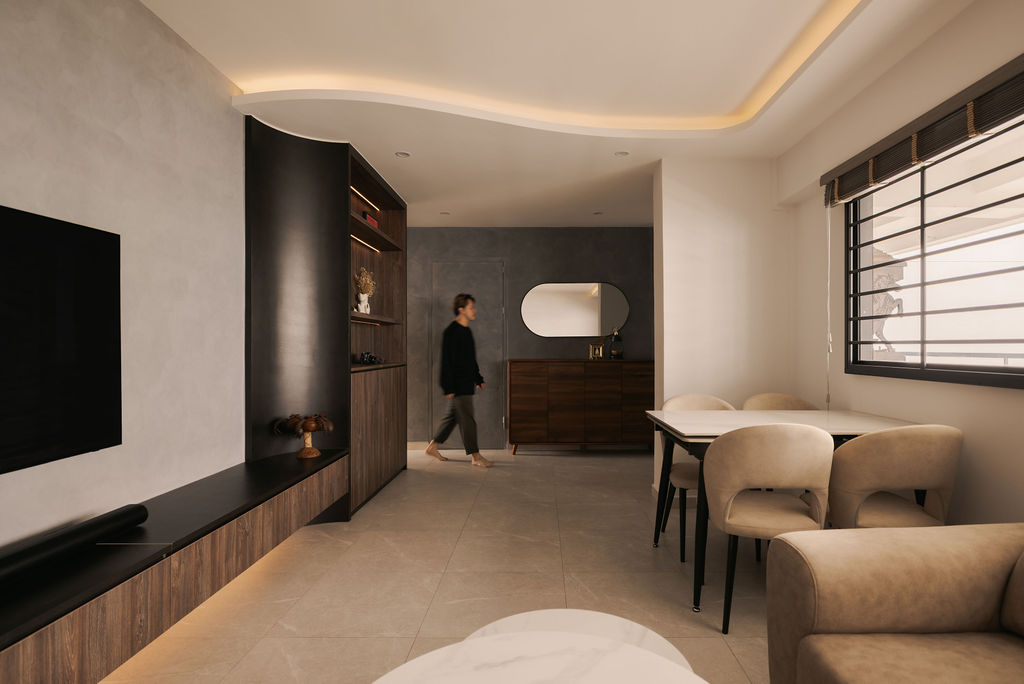
Lighting is frequently planned after layouts, cabinetry and materials have already been decided. In practice, it should be considered much earlier because lighting affects how almost every other element in an interior is perceived.
A useful starting point is understanding the difference between ambient, task and accent lighting. Each serves a different purpose, and comfortable interiors typically use a combination rather than depending entirely on one type.
Ambient lighting provides general illumination. Downlights, ceiling fixtures and indirect ceiling lighting commonly perform this role. Its purpose is to provide enough overall visibility for people to navigate and use the room safely.
Task lighting is more focused. Kitchen worktops, study desks, bathroom mirrors and reading areas are examples of locations where additional illumination may be required. Providing light close to the activity is often more effective than increasing the brightness of the entire room.
Under-cabinet lighting in a kitchen demonstrates this principle particularly well. Upper cabinets can cast shadows onto the worktop when illumination comes only from the ceiling. A dedicated light beneath the cabinet illuminates the actual preparation surface directly.
Accent lighting has a different function. It can highlight artwork, shelving, textured walls or architectural features. Although it may contribute some general illumination, its primary role is creating emphasis and visual depth.
Indirect lighting is particularly effective when a softer atmosphere is desired. Concealed LED strips can illuminate ceilings, walls or recessed surfaces without exposing the light source directly. The reflected light tends to produce gentler transitions between bright and dark areas.
Colour temperature also affects how a room feels. Warmer illumination generally creates a more relaxed atmosphere, while cooler light can feel more clinical or task-oriented. The appropriate choice depends on the function of the room as well as the surrounding materials.
It is also important to consider how lighting will be controlled. If every fixture operates from a single switch, the homeowner loses much of the flexibility that layered lighting is intended to provide. Separating different lighting groups allows the room to transition between practical daytime use, entertaining and quieter evening conditions.
Bedrooms particularly benefit from this flexibility. Strong overhead lighting may be useful when cleaning or organising the room, but bedside or indirect lighting is generally more comfortable before sleep.
Bathroom lighting also deserves careful planning. A ceiling downlight positioned behind someone standing at a mirror can cast shadows across the face. Lighting closer to the mirror can provide more even illumination for grooming.
Successful lighting design therefore begins with activities rather than fixtures. Determine what happens in each part of the room, identify where functional illumination is required, and then introduce softer or decorative layers around it.
The result is a home that does not merely look attractive when every light is switched on. Instead, lighting can adapt throughout the day and support the different ways each room is actually used.
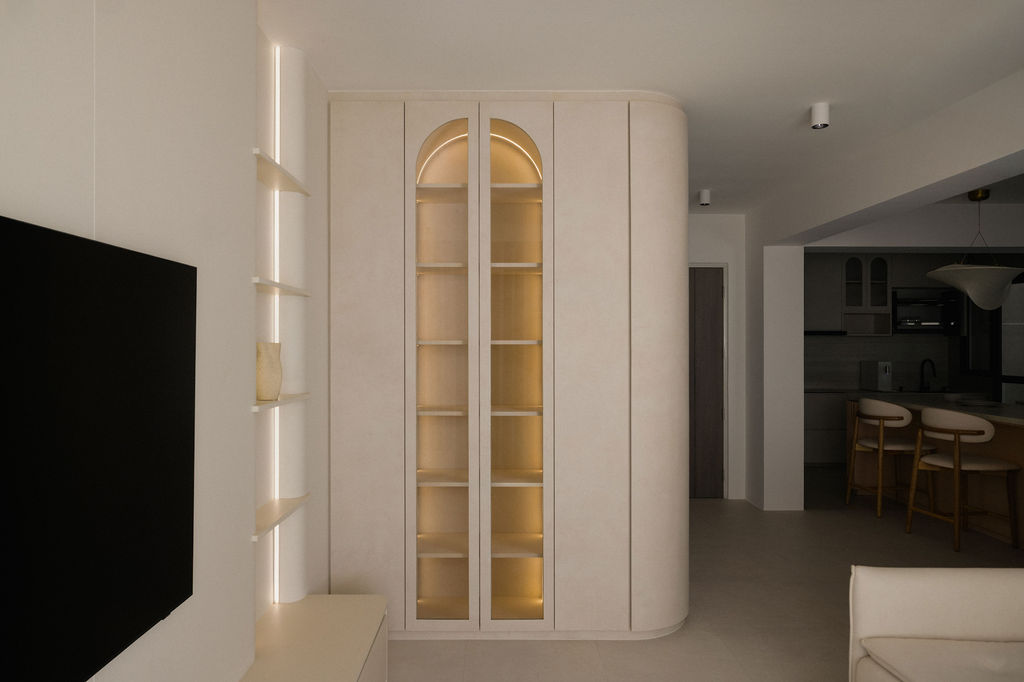
Warm lighting works particularly well in relaxing spaces, but task-oriented areas may require different illumination depending on the activity and desired visibility.