
Open-concept kitchens remain one of the most requested layouts among homeowners, but completely removing walls isn't always the best solution. Glass kitchen partitions provide a practical middle ground by maintaining visual openness while helping to manage cooking fumes, noise, and air-conditioning efficiency. Understanding their benefits and limitations can help homeowners make better renovation decisions.
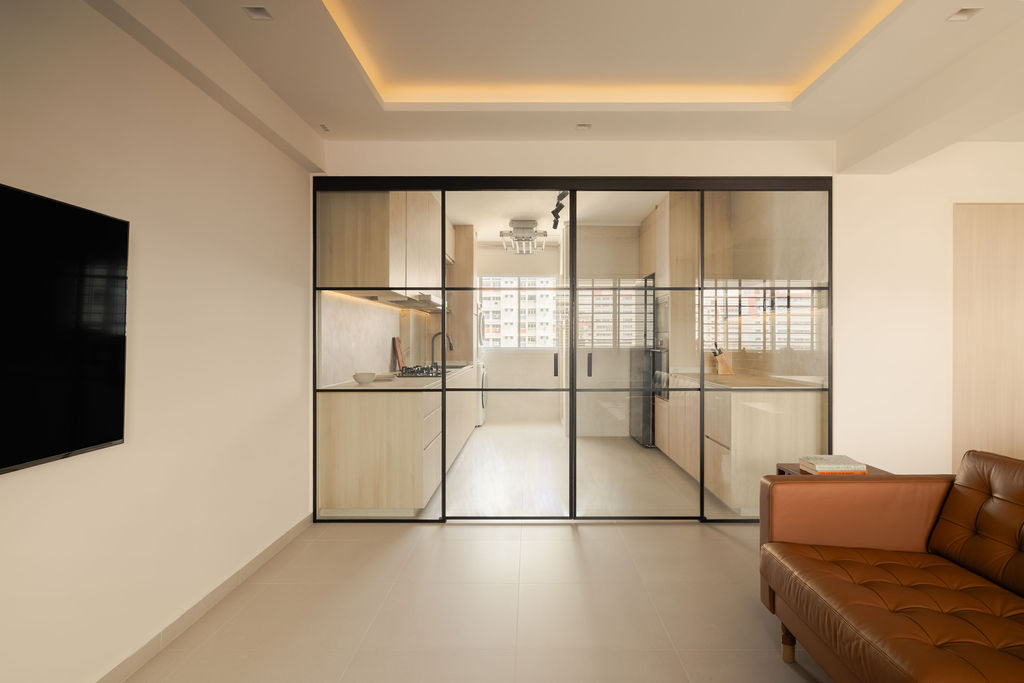
Open-concept living has become one of the defining characteristics of modern homes. By removing unnecessary walls between the kitchen, dining, and living areas, homeowners can enjoy larger visual spaces, improved interaction, and better natural light. However, while an entirely open kitchen looks attractive, it may not always be the most practical option for everyday cooking.
This is where glass kitchen partitions have become an increasingly popular solution. Instead of choosing between a fully enclosed kitchen or a completely open layout, homeowners can achieve the advantages of both through carefully designed glass enclosures.
One of the greatest benefits is preserving visual continuity throughout the home. Unlike solid walls, glass allows uninterrupted sightlines from the living room into the kitchen, making the entire interior feel significantly larger. Natural daylight can also travel more freely across different areas, reducing dark corners and improving the overall brightness of the home. This is particularly valuable in apartments and HDB flats where maximising natural light can greatly enhance the sense of spaciousness.
Another major advantage is controlling cooking fumes without creating a disconnected kitchen. Heavy cooking, frying, and strong food aromas can easily spread throughout an open-plan home. A glass partition helps contain much of the smoke and odour while still allowing family members to remain visually connected. Homeowners can cook comfortably without feeling isolated from conversations taking place in the living or dining areas.
Glass partitions also improve air-conditioning efficiency. In a fully open layout, cooling the combined living and kitchen spaces often requires more energy. By separating the kitchen when necessary, homeowners can reduce the amount of cooled air escaping into cooking areas, allowing the living room to maintain a more comfortable temperature while potentially lowering energy consumption.
From a design perspective, slim black-framed glass partitions have become particularly popular because they introduce architectural definition without adding visual heaviness. The clean lines complement contemporary, industrial, Scandinavian, and Japandi interiors equally well. Depending on the desired aesthetic, homeowners may also choose frameless glass, aluminium-framed panels, or fluted glass for greater privacy while still allowing light to pass through.
Choosing the right type of glass is equally important. Clear tempered glass provides maximum openness and brightness, making it ideal for smaller homes. Frosted or fluted glass offers additional privacy while softening views into the kitchen, which some homeowners prefer if they wish to conceal daily clutter. Tempered safety glass is generally recommended because it is significantly stronger than standard glass and breaks into small, less hazardous pieces if damaged.
Planning the sliding or swing door configuration also affects usability. Sliding doors require less clearance, making them suitable for compact kitchens, while hinged doors may provide wider openings in larger layouts. Designers will typically consider traffic flow, appliance placement, and daily routines before determining the most practical configuration.
Maintenance is another consideration. Glass surfaces naturally show fingerprints and water marks more readily than painted walls. However, regular cleaning with standard glass cleaners is usually sufficient to maintain clarity, and many homeowners find the maintenance worthwhile given the significant visual benefits.
Although glass partitions work well in many homes, they are not always necessary. Families who rarely cook, rely mainly on light food preparation, or prioritise maximum openness may still prefer a fully open kitchen. Conversely, homeowners who frequently prepare aromatic dishes may benefit from a fully enclosed kitchen with solid walls for maximum odour control. The right choice ultimately depends on cooking habits, lifestyle, and personal preferences rather than aesthetics alone.
Ultimately, glass kitchen partitions represent a practical compromise between openness and functionality. They preserve natural light, maintain visual connection, improve air-conditioning efficiency, and help manage cooking fumes without sacrificing the spacious character that modern homeowners value. When thoughtfully integrated into the overall design, they become more than just a divider—they become an architectural feature that enhances both everyday living and the overall experience of the home.
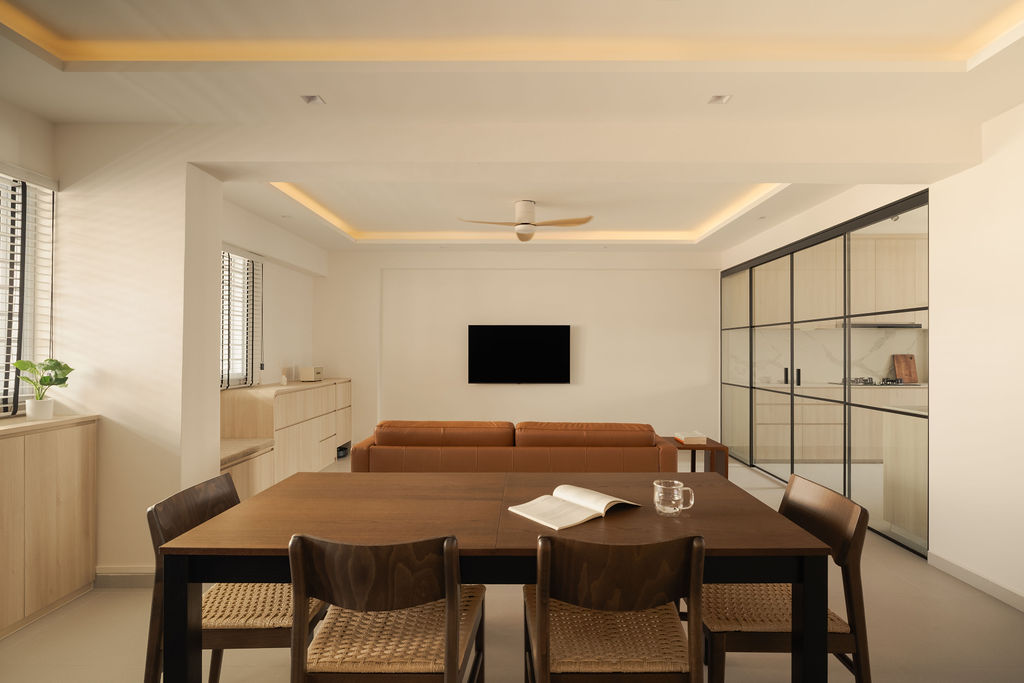
Yes. They are commonly used in HDB flats to create separation between the kitchen and living areas while preserving natural light and visual openness.
They help reduce the spread of cooking fumes and odours, especially when paired with a good cooker hood, although they may not eliminate them entirely.
Yes. Tempered glass is stronger than standard glass and is the preferred choice because it offers better safety and durability.
Framed partitions provide stronger visual definition and suit modern interiors, while frameless designs create a cleaner, more seamless appearance.
Not particularly. Regular cleaning with glass cleaner is usually enough to remove fingerprints and water marks while keeping the panels clear and attractive.