
Warm contemporary interiors combine modern simplicity with inviting materials and thoughtful detailing, creating homes that remain stylish for years rather than following short-lived trends. By balancing clean architectural lines, natural textures, soft lighting, and practical layouts, homeowners can achieve interiors that feel elegant, comfortable, and highly functional for everyday living.
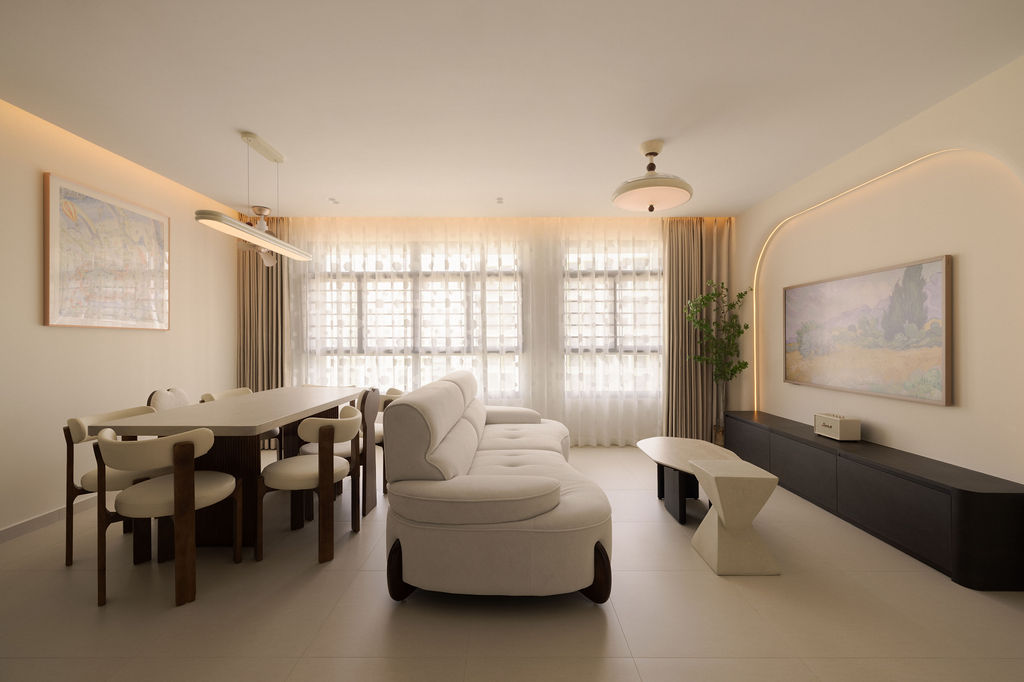
Contemporary interior design has evolved significantly over the past decade. While early minimalist homes often prioritised stark white finishes and sharp geometric lines, today's homeowners increasingly seek interiors that feel warmer, softer, and more personal. Warm contemporary design achieves this balance by combining clean architectural forms with natural materials, muted colour palettes, and carefully considered details that enhance everyday living.
One of the defining characteristics of a timeless warm contemporary home is restraint. Rather than filling a space with numerous feature elements, designers carefully select a small number of focal points that complement one another. This allows each design decision to stand out without overwhelming the interior. Clean walls, concealed storage, and simple architectural lines provide a calm backdrop that allows natural materials and carefully chosen furnishings to become the centre of attention.
Material selection plays an equally important role. Warm timber finishes introduce depth and character while softening the crispness of modern architecture. Neutral stone-inspired surfaces, textured laminates, and matte finishes create subtle variation without making the home feel visually busy. By limiting the number of materials used throughout the interior, designers create consistency between different rooms, allowing the home to feel cohesive as occupants move from one space to another.
Colour palettes within warm contemporary homes typically rely on layered neutrals instead of high contrast. Warm whites, beige, taupe, light greys, and walnut tones work together to create visual harmony while remaining adaptable to changing furniture and décor over time. Unlike trend-driven colours that may quickly become dated, these timeless shades provide flexibility, allowing homeowners to refresh their interiors simply by changing soft furnishings or decorative accessories rather than undertaking major renovations.
Lighting also contributes significantly to the overall atmosphere. Instead of relying solely on ceiling fixtures, warm contemporary interiors often incorporate concealed lighting within cabinetry, display niches, vanities, and architectural details. These integrated light sources gently illuminate surfaces while highlighting textures and materials. The result is a softer environment that feels comfortable throughout the day and particularly inviting during the evening.
Storage planning is another defining feature of timeless design. Rather than adding furniture over time, built-in cabinetry is carefully integrated into the architecture to maximise functionality while preserving visual simplicity. Full-height wardrobes, concealed shoe cabinets, integrated appliance storage, and multifunctional display niches reduce everyday clutter while maintaining clean sightlines. This approach allows homeowners to enjoy organised living spaces without sacrificing aesthetics.
Furniture selection follows similar principles. Pieces are chosen not only for appearance but also for proportion and comfort. Rounded sofas, softly upholstered dining chairs, and slim-profile cabinetry create a sense of lightness while ensuring daily usability. Instead of oversized statement furniture dominating the room, each piece contributes to an overall composition that feels balanced and welcoming.
Warm contemporary homes also prioritise longevity over trends. Decorative elements are introduced thoughtfully rather than excessively, ensuring the home remains relevant even as design preferences evolve. Curved mirrors, subtle feature walls, textured finishes, and understated architectural details provide character without depending on fashionable colours or highly decorative styling that may lose appeal over time.
Perhaps most importantly, timeless interiors are designed around the people who live in them. Layouts are planned according to daily routines, ensuring sufficient circulation, practical storage, comfortable dining, and efficient workspaces. Bedrooms prioritise relaxation, kitchens support efficient meal preparation, and living areas encourage family interaction. By allowing function to guide design decisions, the finished home becomes both beautiful and genuinely enjoyable to live in.
Ultimately, a warm contemporary home succeeds because it balances aesthetics with practicality. Instead of chasing trends, it focuses on enduring materials, thoughtful planning, and refined detailing that continue to perform well year after year. The result is an interior that not only looks elegant on completion day but also remains comfortable, adaptable, and timeless as the family's needs evolve.
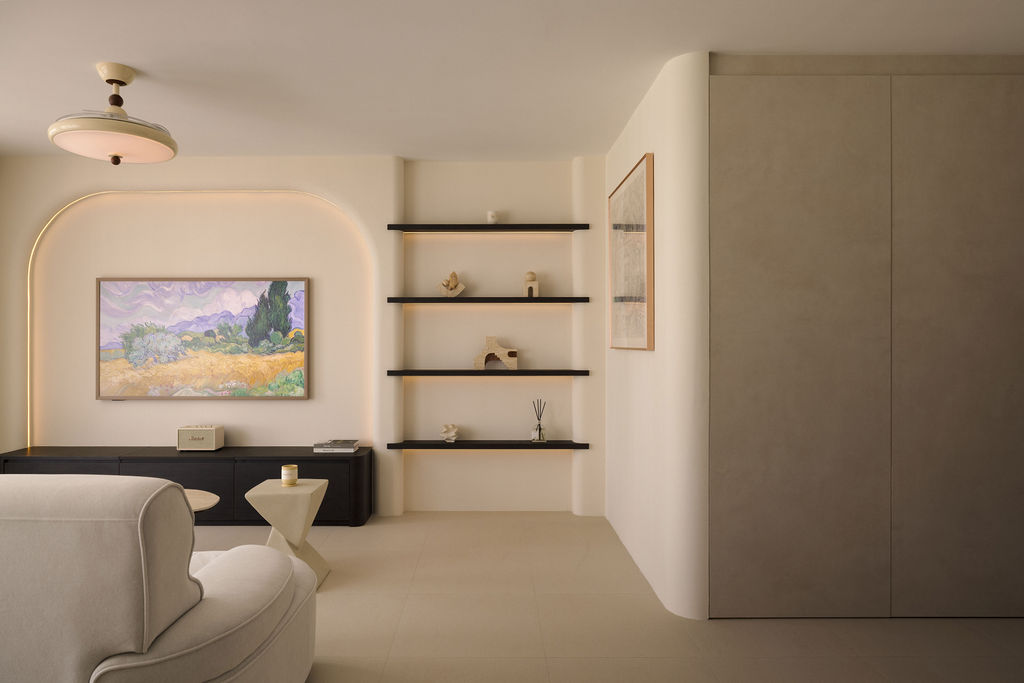
Warm contemporary design combines modern simplicity with natural materials, neutral colours, soft textures, and practical layouts to create homes that feel elegant yet welcoming.
Warm whites, beige, taupe, greige, walnut tones, and muted earthy shades create a timeless palette that feels calm and complements natural materials.
Built-in storage reduces visual clutter, maximises available space, and maintains clean architectural lines while improving day-to-day functionality.
Timber, stone-inspired surfaces, textured finishes, and matte materials introduce depth and tactile interest, making minimalist interiors feel more comfortable and inviting.
Yes. By focusing on quality materials, neutral palettes, practical layouts, and timeless detailing instead of short-lived trends, warm contemporary interiors retain their appeal for many years.