
What Makes Modern Landed House Design in Singapore Different?
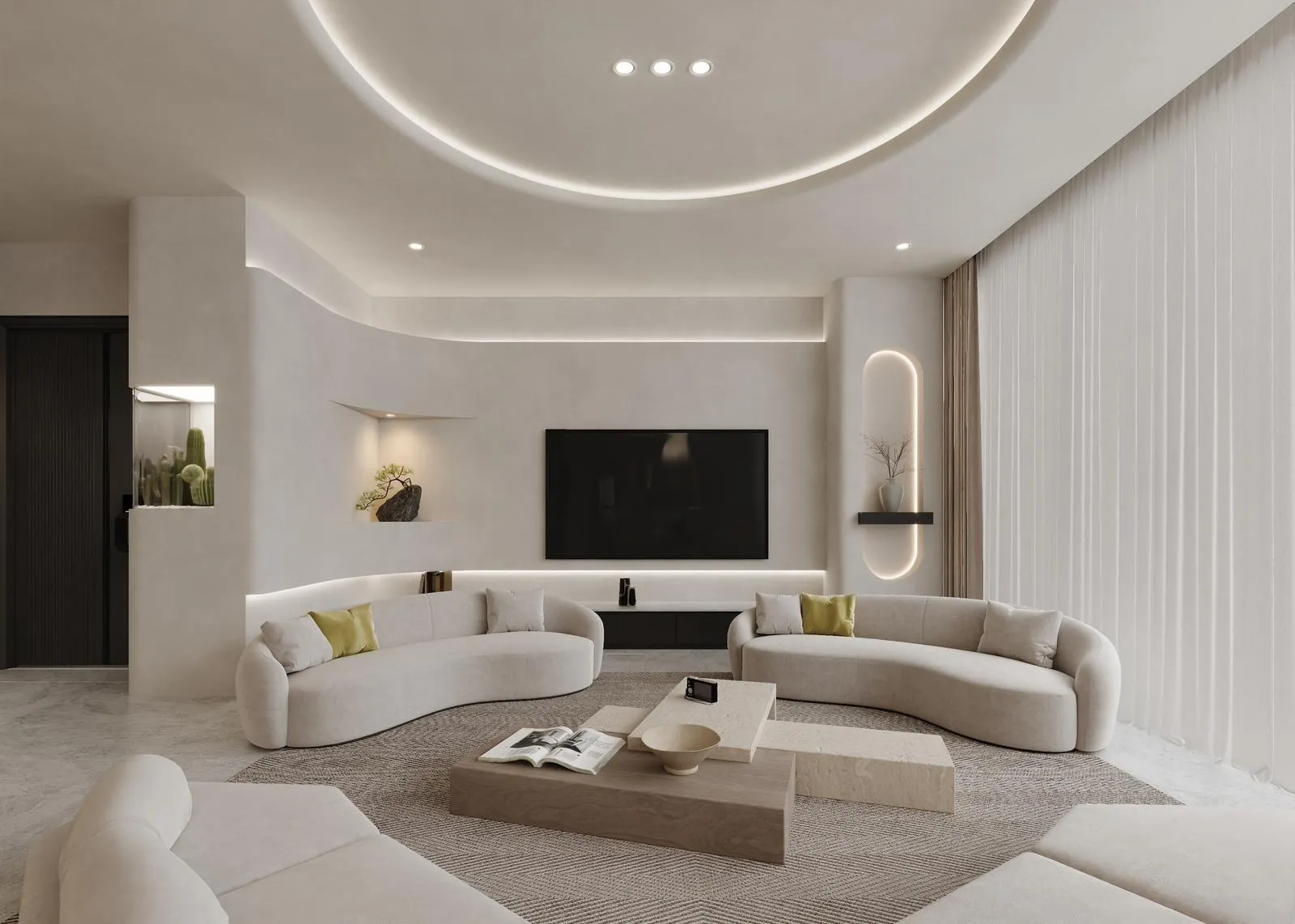
Modern landed house design combines clean architectural lines, open-plan layouts, and a material palette built for longevity in a tropical climate. Unlike HDB or condo renovations, landed design lets you shape the entire built envelope, from the facade treatment down to the ceiling heights on each level.
The best landed house designs in Singapore consistently do three things. They resolve the traffic flow across all floors before a single finish is chosen. They select external and internal materials that perform in Singapore’s rainfall and humidity without degrading within five years. And they create at least one strong architectural moment per floor that gives the home a distinct character beyond the floor plan.
1. Plan Your Vertical Flow Before Choosing Any Finish
In a terrace or semi-detached house, the staircase is the spine of the home. Position it poorly and you fragment the usable floor area on every level. Position it well and it becomes an architectural feature that draws light down through the centre of the house.
The most common terrace house renovation mistake is retaining the original staircase position simply to avoid structural cost. If the existing staircase divides the ground floor into two disconnected zones, the cost of relocating it during a full renovation is almost always worth it.
A central void above the staircase connected to a skylight is one of the most practical solutions to the dark middle zone that affects most Singapore terrace houses. It resolves the light problem without requiring changes to the URA-approved building envelope.
2. Open the Ground Floor Completely
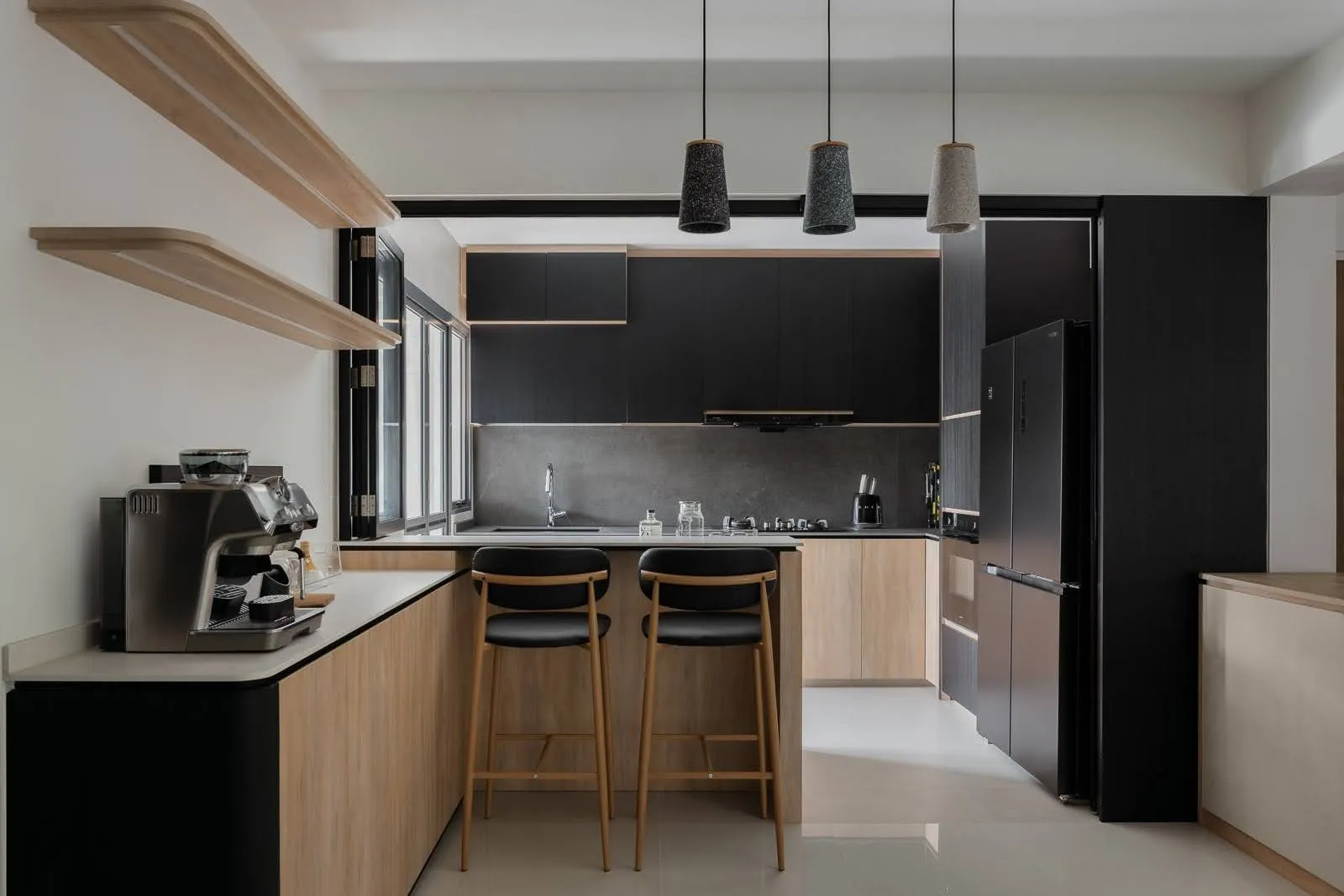
Modern landed house design consistently applies one principle to the ground floor: one well-composed open zone performs better than several small rooms. For a terrace house, this means a kitchen, dining, and living area that flows together without internal walls cutting the sightlines.
The connection to the back yard is the detail that separates good ground floor designs from memorable ones. A full-width sliding or folding glass door system from the dining and kitchen area to a covered outdoor zone extends the effective living space significantly during Singapore’s dry season, and keeps the visual connection intact even during rain.
Materials that run continuously from indoors to outdoors, separated only by a threshold strip, make the transition feel seamless rather than abrupt.
3. Apply Terrace House Renovation Ideas Within URA Constraints
Full terrace house renovation projects in Singapore operate within URA’s envelope control guidelines. These govern how far you can build toward the road reserve, maximum building height, and what percentage of the site footprint can be covered. These constraints are not always obvious from the planning documents and require a qualified designer to interpret them for your specific lot.
The most practical terrace house renovation ideas for the Singapore context focus on maximising internal volume within the approved envelope: full-floor ceiling heights of 3.6m to 4m where floor-to-floor dimensions allow, mezzanine insertions in double-volume spaces, and roof terraces on the third storey where the URA envelope permits.
Each of these adds perceived space without adding gross floor area to the approved planning calculations. For design examples and renovation scope guidance, see our landed house renovation portfolio.
4. Factor the Shared Boundary Into Semi-Detached House Renovation Ideas
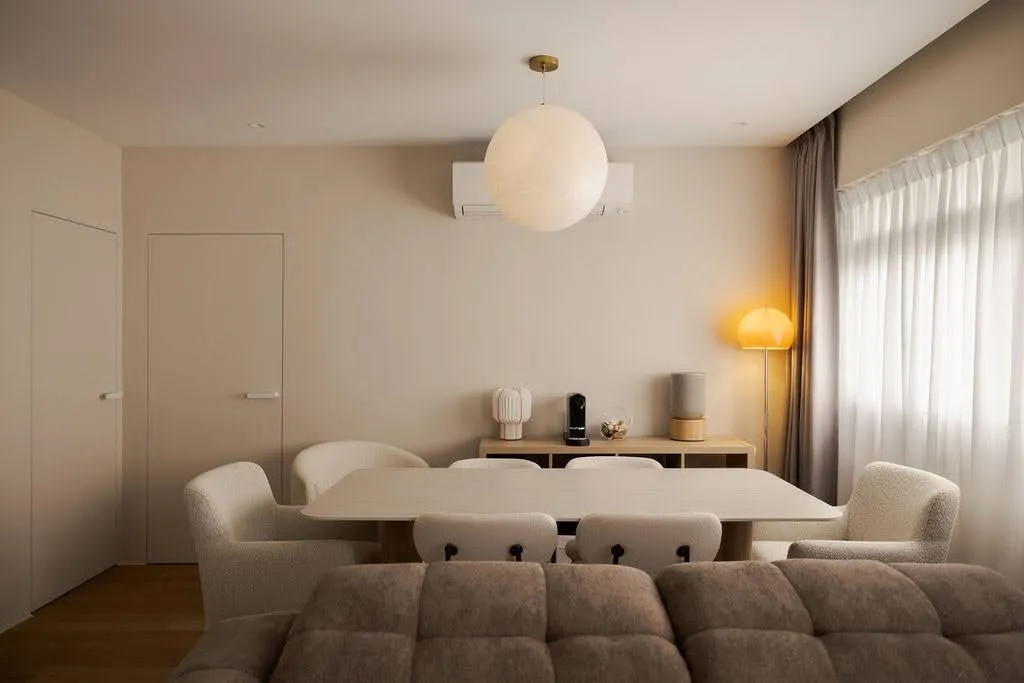
A semi-detached house renovation shares one party wall with an adjoining property. This creates more design freedom on the exposed side but requires careful handling of the boundary. Early-stage attention to privacy between neighbours matters: the placement of windows on the exposed side, the height of boundary walls, and the positioning of outdoor entertainment areas all need to be resolved before the design is finalised.
On the exposed side, a semi-detached renovation can push further toward the side boundary than a terrace allows, creating space for larger windows, an external covered walkway, or a side garden connection. This external side access is one of the most valuable features in a semi-detached house renovation and is worth designing around from the concept stage rather than treating as leftover space.
5. Design Bungalow Renovations Around the Garden From the Start
A bungalow renovation in Singapore offers something a terrace or semi-detached cannot: significant external land on multiple sides. The consistent mistake bungalow owners make is treating the garden as a landscaping project to resolve after the house is complete. The best bungalow renovations design house and garden simultaneously, with interior spaces oriented toward specific garden views and outdoor areas planned to extend the interior rather than sit apart from it.
Pool placement, where included, must be resolved at the early design stage. It affects the orientation of ground-floor rooms, external floor material selection, drainage and services location, and the privacy strategy for the entire site. A pool added as an afterthought almost always ends up in the least functional position relative to the house.
6. Choose External Materials That Perform in Singapore’s Climate
Singapore’s combination of UV intensity, high humidity, and heavy rainfall eliminates many popular external finishes within three to five years. Materials that look excellent in project photography often fail on a Singapore facade before the first major rainy season ends.
Reliable choices for modern landed house design exteriors in Singapore include large-format external porcelain tiles, which hold their finish longer than cement render; textured concrete panels, which weather without peeling; and fibre cement cladding systems, which outlast timber cladding without looking like a compromise.
External timber can work where specified with adequate overhang protection and proper treatment, but requires genuine maintenance discipline. Aluminium-framed windows with thermally broken profiles outperform powder-coated steel in both longevity and energy performance in Singapore conditions.
7. Build Material Consistency Across All Three Floors
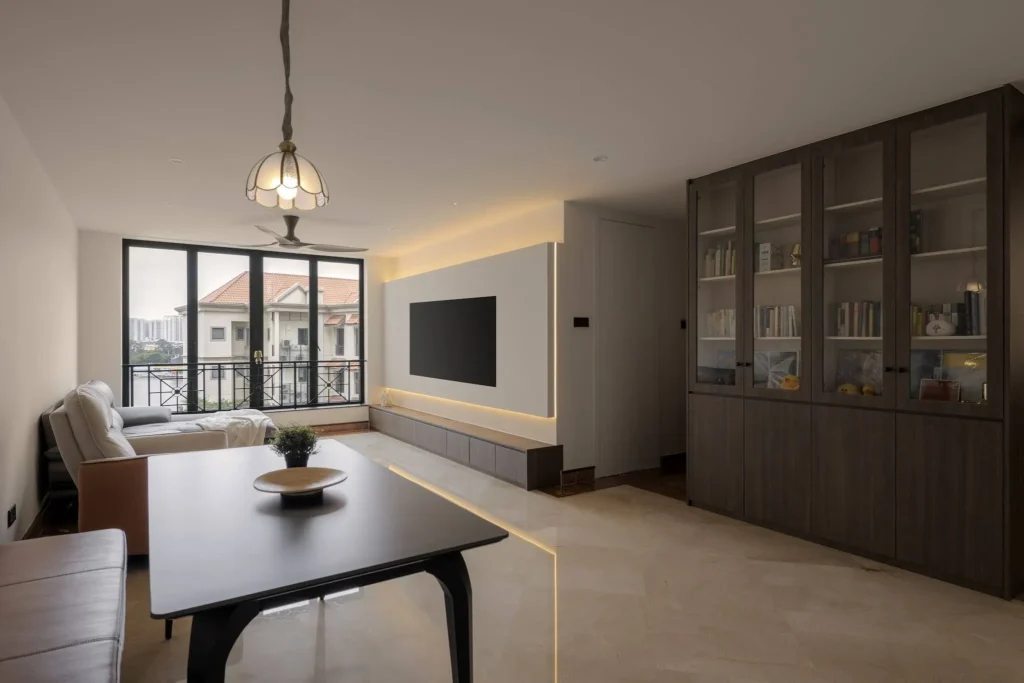
One of the most reliable markers of a well-executed landed house design is consistent material language across every floor. This does not mean identical finishes throughout. It means the flooring, carpentry, and architectural details share a coherent logic that makes the home feel designed as a whole rather than assembled room by room.
A practical approach that works across most Singapore landed house types: one flooring material throughout the ground floor, one consistent staircase treatment that connects all levels, and carpentry in one timber tone with slight profile variation between the public ground floor and the private upper floors. The differences between floors should feel like a refinement of the same language, not a change in style.
For Japandi-influenced landed house interiors, warmer timber tones and integrated storage walls suit the Singapore tropical context particularly well.
Conclusion On Modern Landed House Design Ideas
Designing a modern landed house in Singapore is about more than aesthetics. It is about creating a home that responds to the tropical climate, maximises every square foot of space, and reflects the way your family actually lives. From passive cooling strategies and biophilic greenery to open-plan layouts, sustainable materials, and smart home integration, the seven principles in this guide give you a practical framework to brief your designer with confidence.
The best results come from working with a team that understands both the technical constraints of landed renovation in Singapore and the design language you are drawn to.
For an overview of how this aesthetic translates to a Singapore home, see our Japandi interior design guide. If you prefer a more organic approach to materials, our wabi sabi interior design guide covers that direction in detail.
To discuss your landed house renovation with the Twothree Design team, you can reach us. We offer complimentary design proposals for Singapore homeowners at all stages of planning.