
Planning a home renovation budget involves more than comparing quotations or setting an overall spending limit. The final cost can be influenced by existing property conditions, material specifications, construction complexity and decisions made during the renovation process. For Singapore homeowners, understanding how renovation expenses are structured helps establish realistic priorities, evaluate quotations more effectively and reduce the likelihood of unexpected financial pressure.
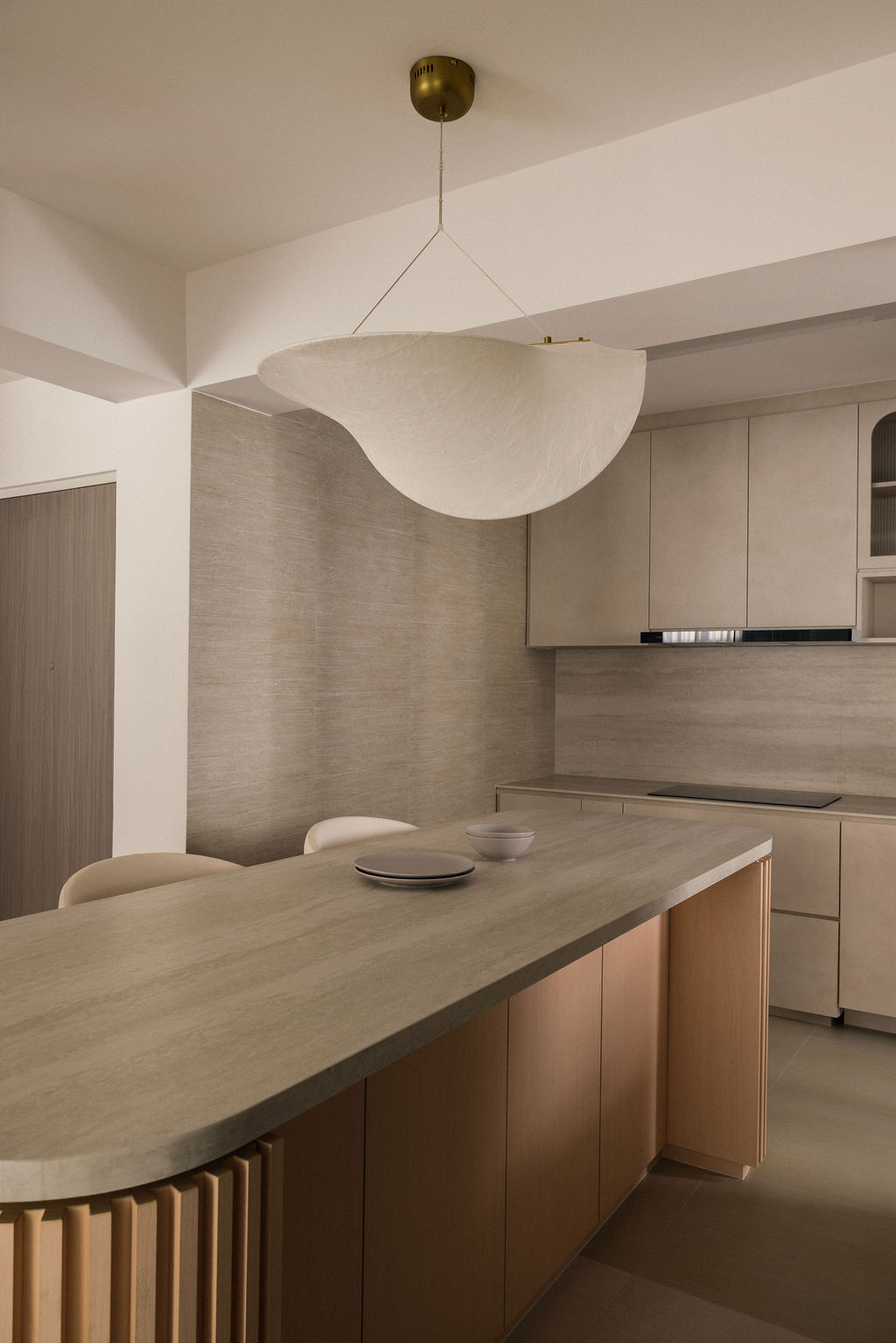
A home renovation budget should begin with a clear understanding of the intended scope of work. Before requesting quotations, homeowners should distinguish between essential improvements, functional upgrades and discretionary design features. These categories serve different purposes and should not compete equally for the available budget. Essential works may include repairing damaged surfaces or upgrading unsuitable electrical installations, while functional improvements could involve kitchen cabinetry or revised room layouts. Decorative features can contribute to the overall character of a home, but they should generally be considered after fundamental requirements have been addressed.
The condition of the existing property is one of the most significant influences on renovation costs. A newly completed BTO flat may require comparatively limited demolition, depending on the finishes supplied and the proposed design. A resale HDB flat, by contrast, may require removal of existing cabinetry, replacement of deteriorated finishes or investigation of concealed services. Condominium renovations introduce their own considerations, including management requirements, protection of common areas and restrictions on certain construction activities. These differences make it difficult to compare renovation budgets solely by property size.
Demolition and disposal costs are sometimes underestimated because they do not produce a visible finished element. Removing existing floor tiles, partitions, kitchen cabinets or bathroom fittings involves labour, waste handling and potentially additional preparation before new work can begin. The condition of the underlying surfaces may only become clear after removal. Homeowners should therefore confirm whether demolition, debris disposal and subsequent surface preparation are included in the quotation, rather than assuming that these activities form part of every installation item.
Carpentry is another area where costs can vary considerably. Built-in wardrobes, kitchen cabinets and storage units are typically priced according to dimensions, materials, construction methods, hardware and finishing requirements. Two cabinets of similar external size may have different costs because of their internal configurations. Drawers, pull-out mechanisms, specialised hinges and integrated lighting can increase complexity. A practical approach is to prioritise cabinetry where fixed storage provides a clear functional advantage, while considering freestanding furniture in areas where flexibility is more valuable.
Material specifications should be assessed in relation to long-term performance rather than initial cost alone. Flooring, worktops, laminates and hardware are available in different quality levels, each with particular maintenance and durability characteristics. Selecting the least expensive option may reduce immediate expenditure, but it is not necessarily economical if the material is unsuitable for the intended use. Conversely, premium finishes do not always provide a meaningful functional improvement. Homeowners should identify which material characteristics matter most before deciding where additional spending is justified.
Electrical and plumbing works require particular attention because their costs depend on technical requirements and site conditions. Relocating electrical points, introducing additional circuits or modifying plumbing arrangements may involve more than installing new visible fittings. Concealed routing, access limitations and coordination with other trades can influence the work involved. These systems should be reviewed early, especially when the design includes built-in appliances, new lighting arrangements or changes to wet areas.
A detailed quotation is essential for meaningful cost comparison. Rather than focusing only on the total amount, homeowners should examine the description, quantity and specification of each item. A quotation that identifies cabinet dimensions, worktop materials, hardware allowances and installation requirements provides a clearer basis for evaluation than one using broad descriptions. It is also important to identify exclusions, provisional sums and items that will be confirmed later. Apparent differences between quotations may reflect differences in scope rather than differences in pricing alone.
Homeowners should also account for expenses outside the main renovation contract. These may include furniture, appliances, window treatments, decorative lighting, moving arrangements and temporary accommodation where required. Some purchases must be coordinated with construction even when they are supplied separately. For example, refrigerator dimensions affect kitchen cabinetry, while the placement of a dining pendant depends on the intended table position. Maintaining a separate schedule for these purchases can prevent omissions and reduce last-minute decisions.
A contingency allowance provides financial flexibility when unexpected conditions or necessary adjustments arise. The appropriate amount depends on the property's age, existing condition and renovation complexity. Rather than treating contingency funds as an opportunity to add decorative features, homeowners should reserve them for genuine uncertainties until the major construction risks have been addressed. This is particularly relevant when renovating older properties where concealed defects may not be identifiable during the initial assessment.
Changes introduced after construction begins can also affect the final budget. Altering cabinet dimensions, relocating electrical points or replacing selected materials may require additional labour, revised fabrication and changes to the work schedule. Some variations are unavoidable, but many can be reduced through careful planning. Confirming appliance specifications, furniture dimensions, material selections and detailed drawings before fabrication helps limit unnecessary revisions.
Payment arrangements should be reviewed alongside the quotation. Homeowners should understand the agreed payment milestones, the work associated with each stage and the procedures for approving variations. Written records of scope changes, costs and completion expectations help maintain clarity throughout the renovation. For HDB projects, homeowners should also verify that the contractor is appropriately listed under HDB's Directory of Renovation Contractors where required, and that applicable permits are obtained.
A well-managed renovation budget is ultimately an exercise in prioritisation rather than simply reducing expenditure. By understanding the full scope, comparing specifications carefully and allowing for realistic uncertainties, homeowners can make decisions that support both immediate affordability and long-term functionality. The objective is to direct available resources towards improvements that contribute meaningfully to the way the home is used.

Request a detailed quotation, clarify exclusions, confirm material specifications and approve changes in writing before additional work begins. A thorough site assessment and early design decisions can also reduce avoidable variations.