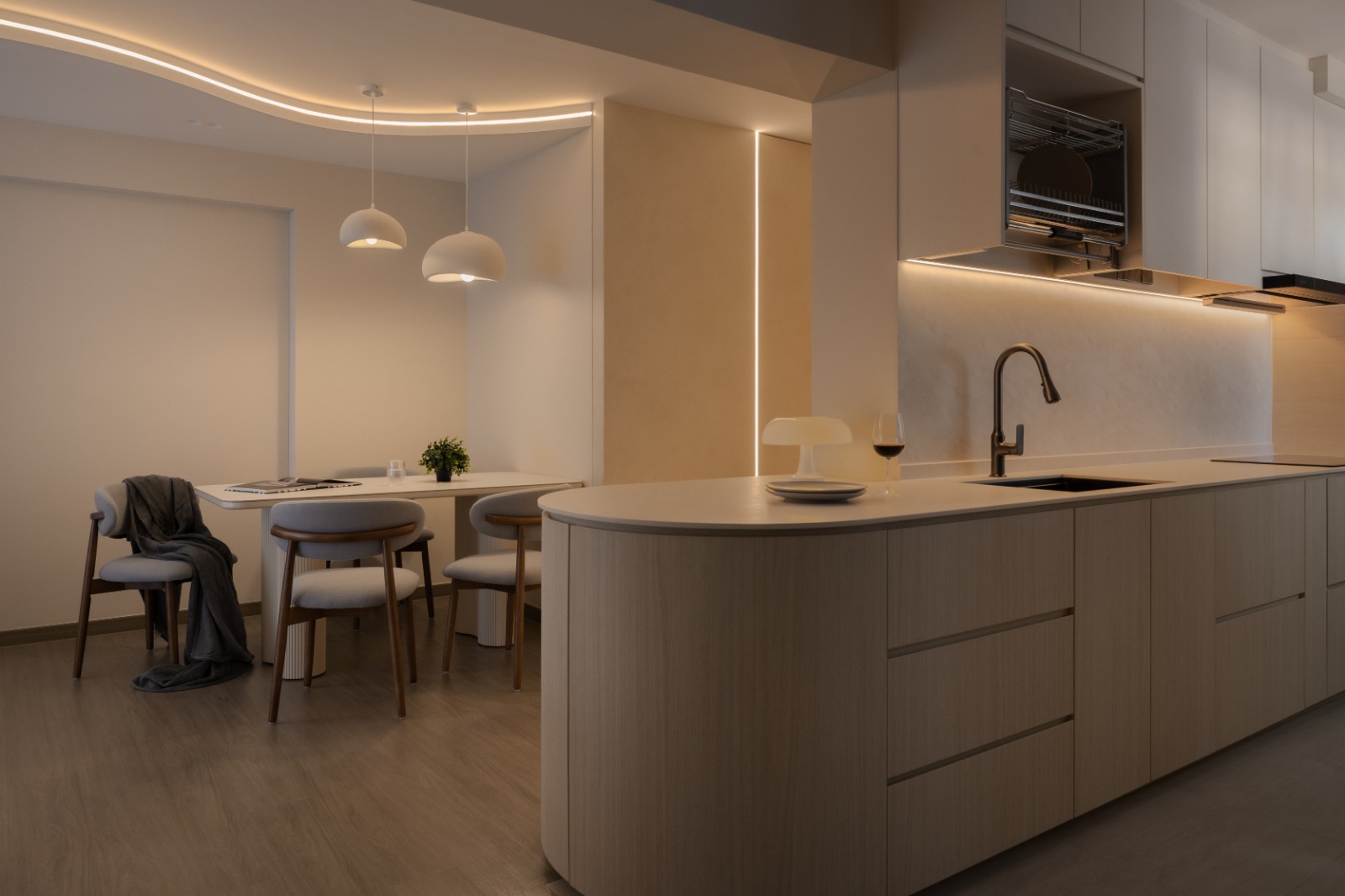
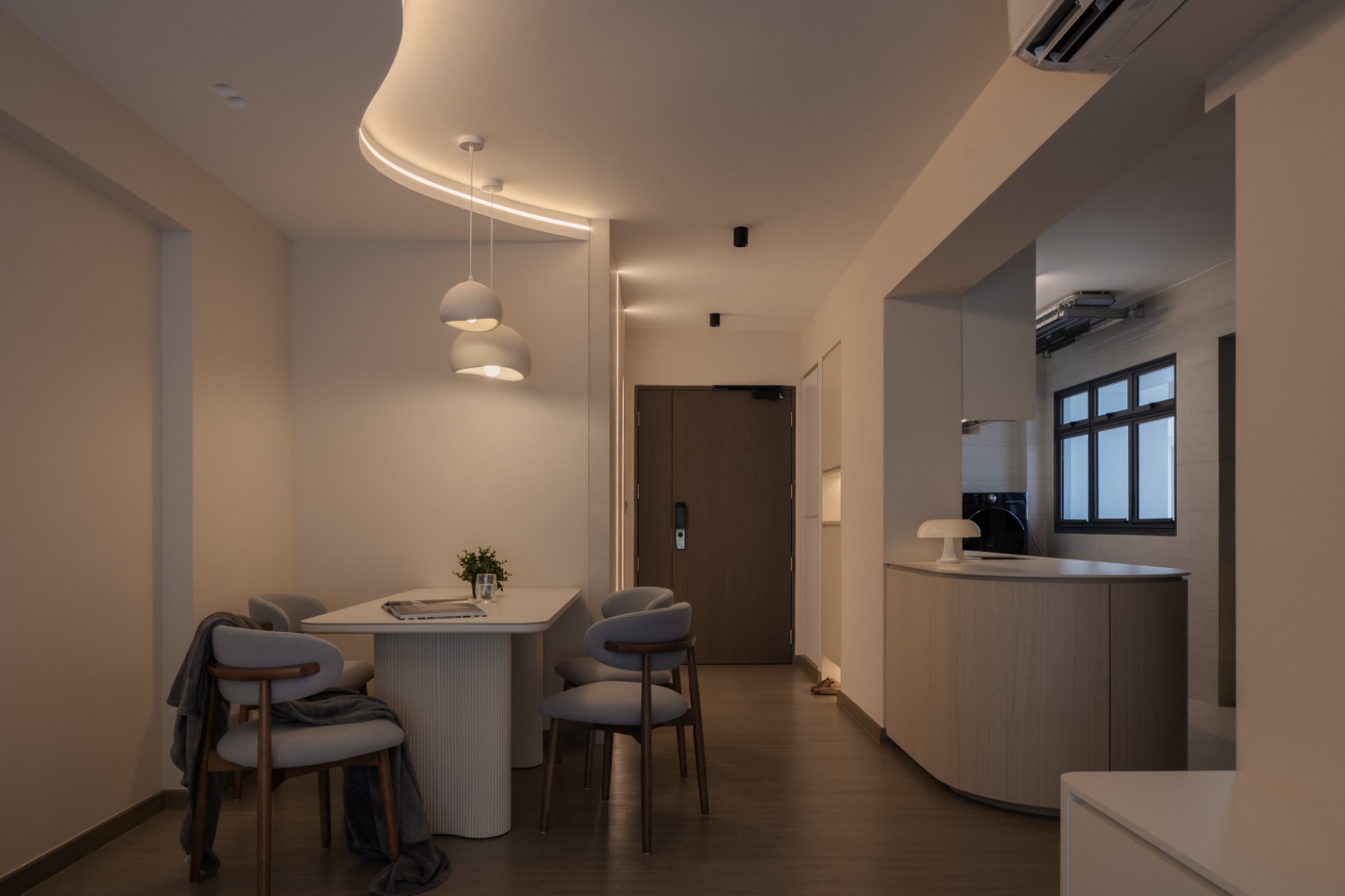
What Is Warm Minimalist Interior Design?
Warm minimalist design combines clean, simple layouts with soft lighting and warm-toned materials, creating a space that feels calm, inviting, and comfortable rather than cold or stark.
How Does Lighting Affect A Minimalist Home?
Lighting plays a key role in shaping the atmosphere. Indirect and layered lighting softens the space, highlights materials, and reduces the need for multiple visible fixtures.
How Can A Minimalist Home Feel Warm Instead Of Empty?
Warmth can be introduced through material choices, such as wood tones and soft textures, as well as through lighting and balanced proportions that make the space feel comfortable.
Why Is Integration Important In Minimalist Design?
Integration ensures that storage, furniture, and architectural elements blend seamlessly, reducing visual clutter and maintaining clean, uninterrupted lines.
Is Minimalist Design Suitable For Everyday Living?
Yes, when planned properly, minimalist design supports daily routines by focusing on functionality, clarity, and ease of maintenance.