
Window treatments influence more than the appearance of a room. They affect daylight, privacy, glare and how comfortably a space can be used throughout the day. In Singapore's tropical climate, where strong sunlight and neighbouring buildings can influence indoor conditions, choosing suitable curtains or blinds requires careful consideration. Understanding the different options helps homeowners balance visual preferences with practical requirements and long-term maintenance.
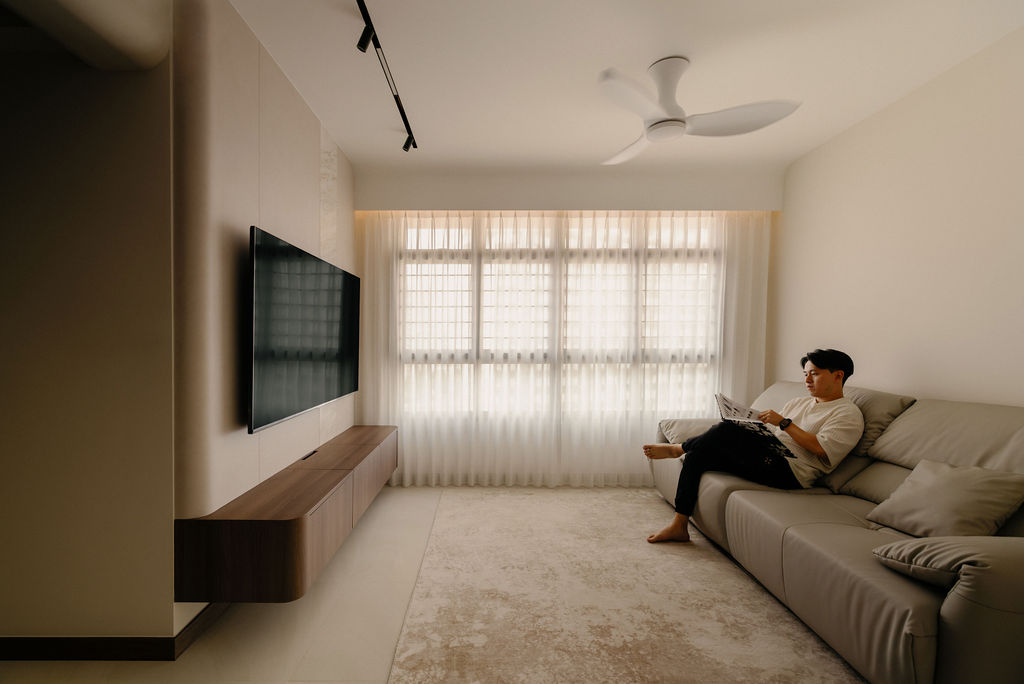
Selecting window treatments is an important part of residential interior design because windows influence the relationship between indoor comfort and the surrounding environment. Although curtains and blinds are often chosen towards the end of a renovation, their dimensions, operating mechanisms and installation requirements can affect earlier design decisions. A carefully considered window treatment should respond to the room's orientation, intended activities, privacy requirements and the amount of daylight entering the space.
One of the first considerations is the direction and intensity of sunlight. Windows exposed to direct afternoon sun may experience greater solar heat gain and glare than those receiving predominantly indirect daylight. However, the amount of sunlight entering a room also depends on surrounding buildings, external shading and window dimensions. Before selecting a fabric or blind system, homeowners should observe how natural light changes throughout the day. This provides a more reliable basis for deciding whether light filtration, room darkening or stronger solar control is required.
Sheer curtains are commonly used in living areas because they soften incoming daylight while maintaining a degree of visual connection with the outdoors. Their translucent construction can reduce direct visibility into a room under certain lighting conditions, but they should not be treated as a complete privacy solution. At night, when interior lighting is brighter than the exterior, occupants may remain visible from outside. Homeowners who require consistent privacy should consider combining sheers with opaque curtains or another suitable window covering.
Blackout curtains are frequently selected for bedrooms, particularly where occupants prefer a darker sleeping environment. However, blackout performance depends on more than the fabric itself. Light can enter through gaps above, below and beside the curtain, especially when the track is positioned too close to the window opening. Extending the curtain beyond the window frame and considering the track arrangement can improve light control. Complete darkness may still be difficult to achieve without specialised detailing.
Roller blinds offer a comparatively compact alternative to conventional curtains. Their simple operating mechanism and restrained appearance make them suitable for study rooms, kitchens and other spaces where projecting fabric may be inconvenient. Different fabrics provide varying levels of light transmission, glare reduction and privacy. Screen blinds can reduce direct sunlight while preserving some outward visibility, although their privacy performance changes with lighting conditions. Opaque roller blinds provide greater visual separation but may eliminate the view when lowered.
Venetian blinds allow occupants to adjust the angle of horizontal slats, offering flexible control over daylight and visibility. This can be useful in rooms where sunlight changes direction throughout the day. However, the slats introduce multiple horizontal surfaces that collect dust and require regular cleaning. The operating mechanism also needs sufficient clearance from window handles and nearby fittings. Homeowners should consider whether the flexibility of adjustable slats justifies the additional maintenance involved.
Fabric selection affects both performance and upkeep. Lightweight materials may create a softer appearance and allow more light through, while heavier fabrics can provide greater visual coverage and potentially contribute to thermal comfort. Nevertheless, fabric weight alone does not establish its ability to reduce solar heat gain. Performance depends on factors such as colour, weave, lining and the characteristics of the glazing. Where heat reduction is a priority, homeowners should compare documented product specifications rather than relying on general descriptions.
Window treatment installation should be coordinated with ceiling and carpentry planning. Concealed curtain tracks can create a visually restrained finish, but they require sufficient space within the ceiling arrangement. The location of air-conditioning units, ceiling fans, lighting and built-in cabinetry may affect the available installation area. Where a false ceiling is proposed, the curtain track position should be confirmed before construction begins to avoid unnecessary alterations.
Curtain length and fullness also influence usability. Floor-length curtains can create a consistent visual relationship between windows and surrounding walls, but excessive fabric pooling on the floor may collect dust and complicate cleaning. Curtains installed close to furniture may be difficult to operate, particularly when sofas or desks obstruct the fabric. The chosen dimensions should allow the curtains to open and close freely without interfering with everyday activities.
Motorised curtains and blinds offer additional convenience, particularly for large windows or openings that are difficult to reach. They may also be useful where homeowners wish to control several window coverings simultaneously. However, motorised systems introduce electrical or battery requirements, additional components and future servicing considerations. Their value should be assessed according to actual usage rather than assuming that automation is necessary for every room.
In Singapore apartments, homeowners should also review any applicable condominium management rules concerning external appearance, installation methods or window-related alterations. Certain developments may impose requirements affecting visible window coverings or fixtures. For HDB flats, installation should avoid unauthorised alterations to regulated building elements.
Ultimately, effective window treatment selection depends on matching the solution to the room. Bedrooms may prioritise darkness and privacy, while living rooms benefit from adjustable daylight and comfortable views. By considering sunlight, installation constraints, fabric performance and maintenance together, homeowners can select window treatments that support everyday comfort without unnecessary complexity.
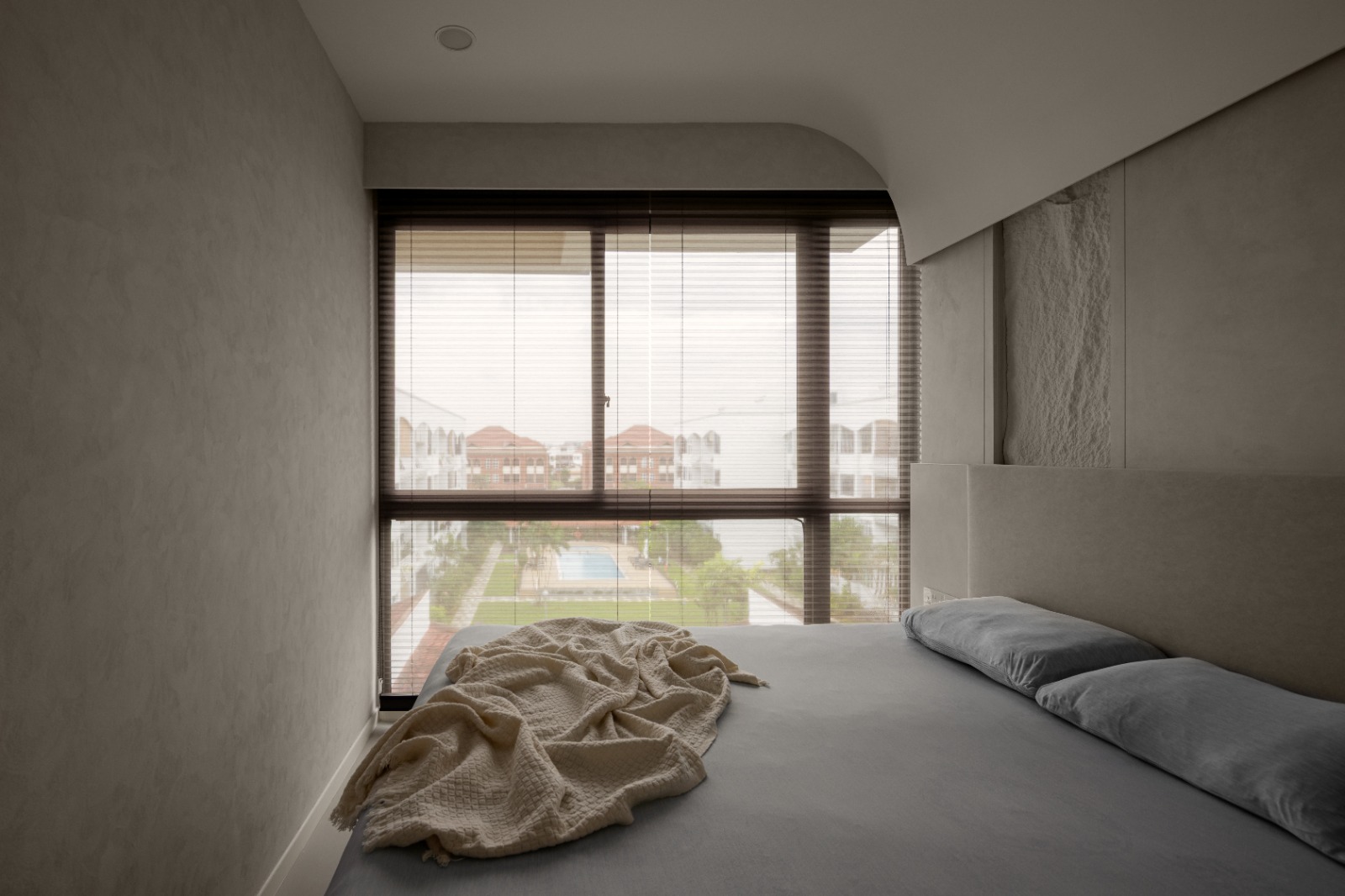
Motorised curtains may be useful for large windows, difficult-to-reach areas or homeowners who value automated operation. However, they involve additional costs and maintenance requirements compared with manual systems.