
Lighting should do more than make a room bright enough to see. Different activities require different levels and directions of illumination, while the atmosphere homeowners want in the evening may be very different from what they need during the day. Layered lighting addresses this by combining multiple light sources instead of relying on a single ceiling fixture.
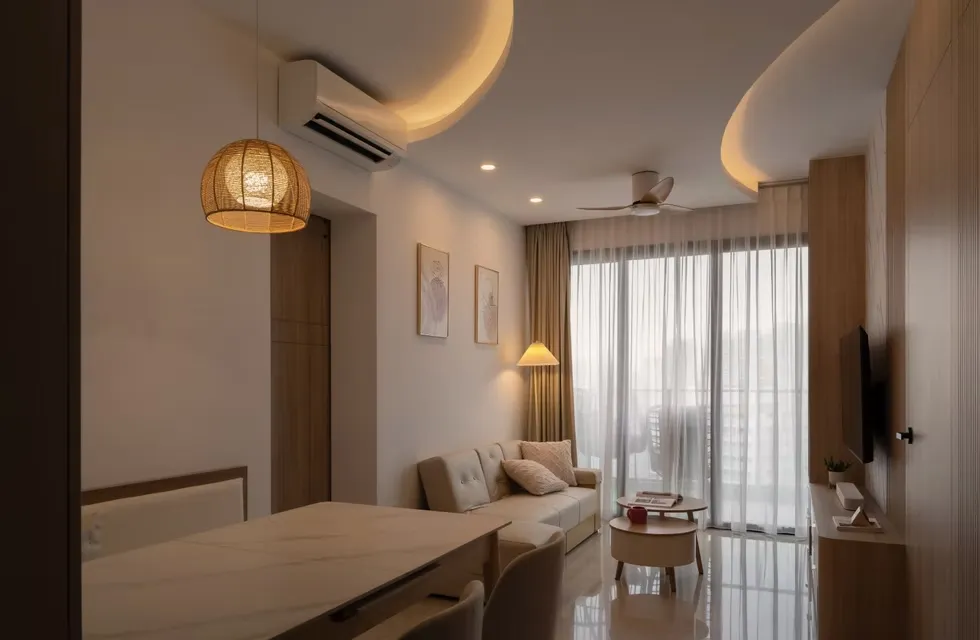
A common lighting mistake is attempting to illuminate an entire home using one type of light. Rows of ceiling lights can provide sufficient brightness, but brightness alone does not necessarily create a comfortable interior.
Layered lighting divides illumination into different functions.
The first layer is general or ambient lighting. This provides sufficient overall illumination for moving around the home, cleaning and completing everyday activities. Ceiling-mounted or recessed fixtures commonly fulfil this role.
The second layer is task lighting. Rather than increasing the brightness of an entire room, task lighting concentrates illumination where specific activities take place.
Kitchen countertop lighting is a useful example. Upper cabinets can cast shadows onto work surfaces when ceiling lights are positioned behind the person preparing food. Lighting installed beneath the cabinets can illuminate the countertop directly and make food preparation more comfortable.
Task lighting can also be useful around study desks, bedside reading areas, bathroom vanities and other locations where focused visibility is required.
The third layer is accent or atmospheric lighting. This includes concealed ceiling illumination, integrated cabinet lights and lighting within display niches. These sources may contribute less functional brightness but have a significant effect on how a room feels.
Indirect lighting works particularly well because the light source itself can be concealed. Instead of looking directly at a bright fixture, occupants see light reflected from ceilings, walls or cabinetry. This generally produces softer transitions between illuminated and darker surfaces.
Accent lighting can also reveal architectural details that disappear under uniform illumination. A textured wall, curved cabinet or recessed niche becomes more noticeable when light creates controlled highlights and shadows across its surface.
Colour temperature is another important consideration. Warmer illumination is commonly associated with a more relaxed atmosphere, while relatively neutral lighting may be useful in areas where visibility and colour clarity are more important.
This does not mean every room needs a completely different colour temperature. Excessive variation can make adjacent spaces feel disconnected. A coordinated lighting strategy should consider how rooms are viewed together.
Control is equally important. Multiple lighting layers provide little benefit if every fixture must be switched on simultaneously.
Separate switches allow homeowners to adjust the room according to activity. Bright general lighting might be appropriate while cleaning, while indirect lighting and a pendant may be sufficient during a quiet evening.
Dimmers can provide additional flexibility where suitable fixtures and controls are used. Rather than designing one permanent lighting level, the same space can adapt to different times and activities.
Natural daylight should also be considered part of the overall lighting strategy. During the day, artificial lighting may only need to supplement darker areas. Window treatments can help control glare and privacy without completely blocking daylight.
The position of lights should therefore be coordinated with the furniture and cabinetry layout. Planning lighting before knowing where the dining table, television, wardrobes or work surfaces will be located can result in fixtures that illuminate the wrong areas.
Good lighting design begins with asking what happens in each part of the home.
Where is food prepared? Where does someone read? Which areas need bright illumination for cleaning? Which surfaces should become focal points in the evening?
Once these activities are understood, lighting can be assigned accordingly.
The result is not necessarily a home with more lights. It is a home where each light has a clearer purpose, allowing the interior to transition between practical daytime use and a softer evening atmosphere.
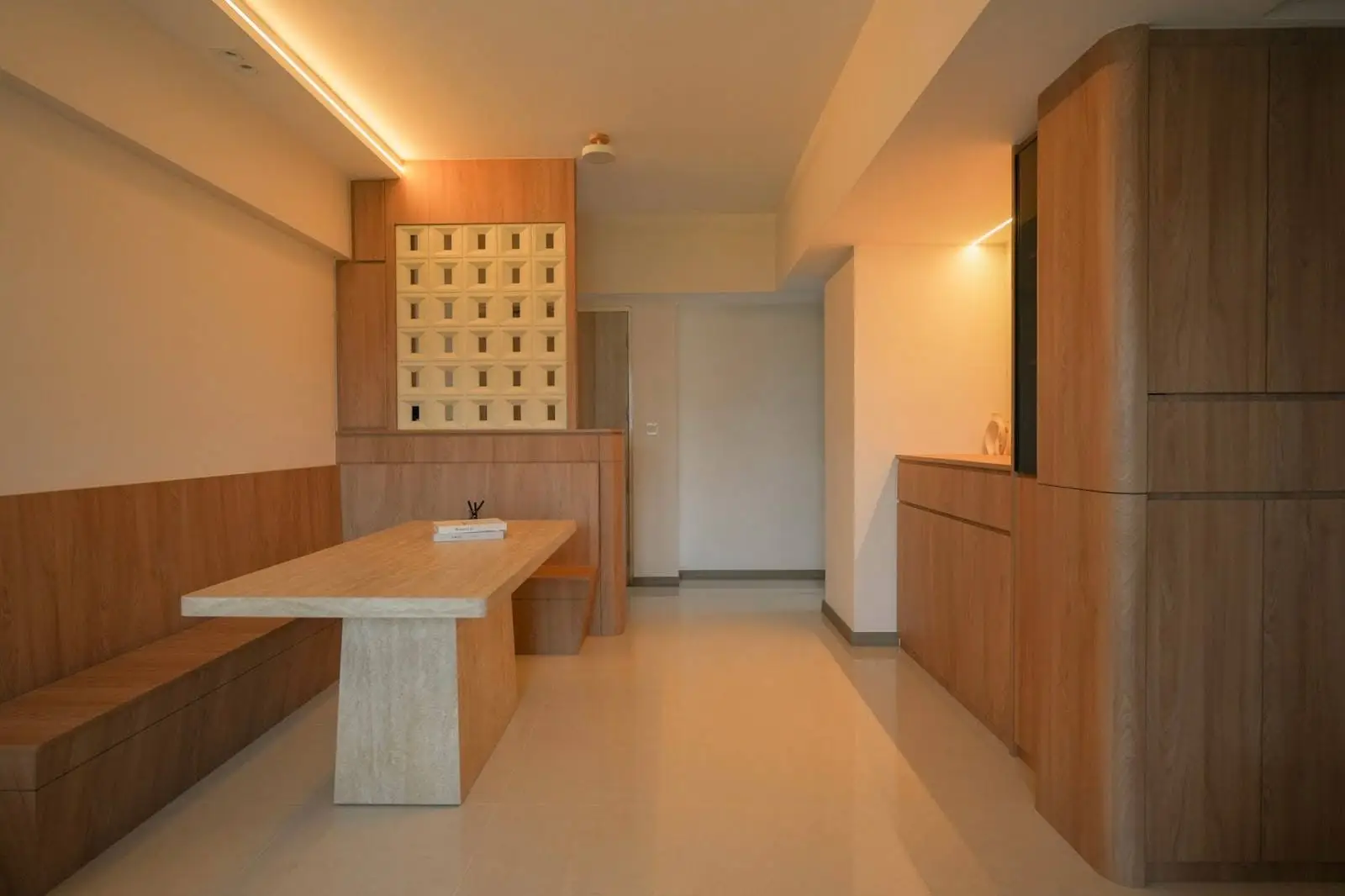
Furniture determines where activities happen, allowing lights to be positioned according to actual dining, working, reading and circulation areas.