
A timeless luxury home is not defined by expensive finishes alone, but by how every design decision works together. From layered lighting and integrated storage to carefully selected materials and balanced proportions, this contemporary home demonstrates the principles that make interiors feel elegant, practical, and enduring for years to come.
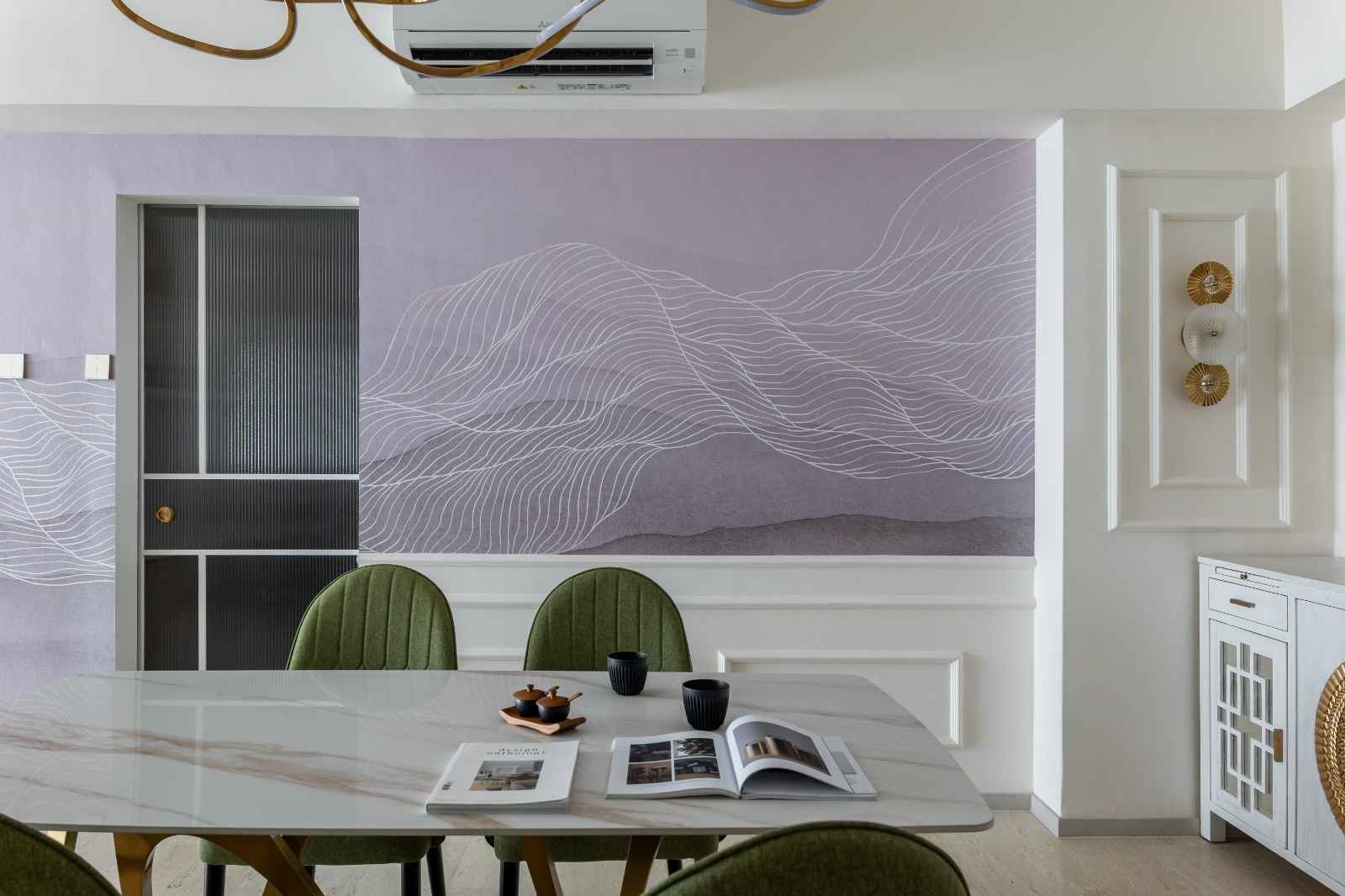
Luxury interiors often appear effortless, but achieving that sense of calm requires careful planning behind the scenes. Rather than relying on decorative features alone, timeless contemporary homes are built upon strong design fundamentals that improve both aesthetics and everyday functionality. This project demonstrates how thoughtful material selection, integrated storage, architectural detailing, and lighting design come together to create a home that remains elegant well beyond passing trends.
One of the most important principles in contemporary interior design is creating visual interest through layered textures instead of excessive colours. Neutral palettes allow different materials to become the focal point, whether through stone surfaces, fluted panels, timber finishes, or matte cabinetry. By combining contrasting textures within a restrained colour scheme, the home gains depth without appearing cluttered, resulting in spaces that feel warm, sophisticated, and timeless.
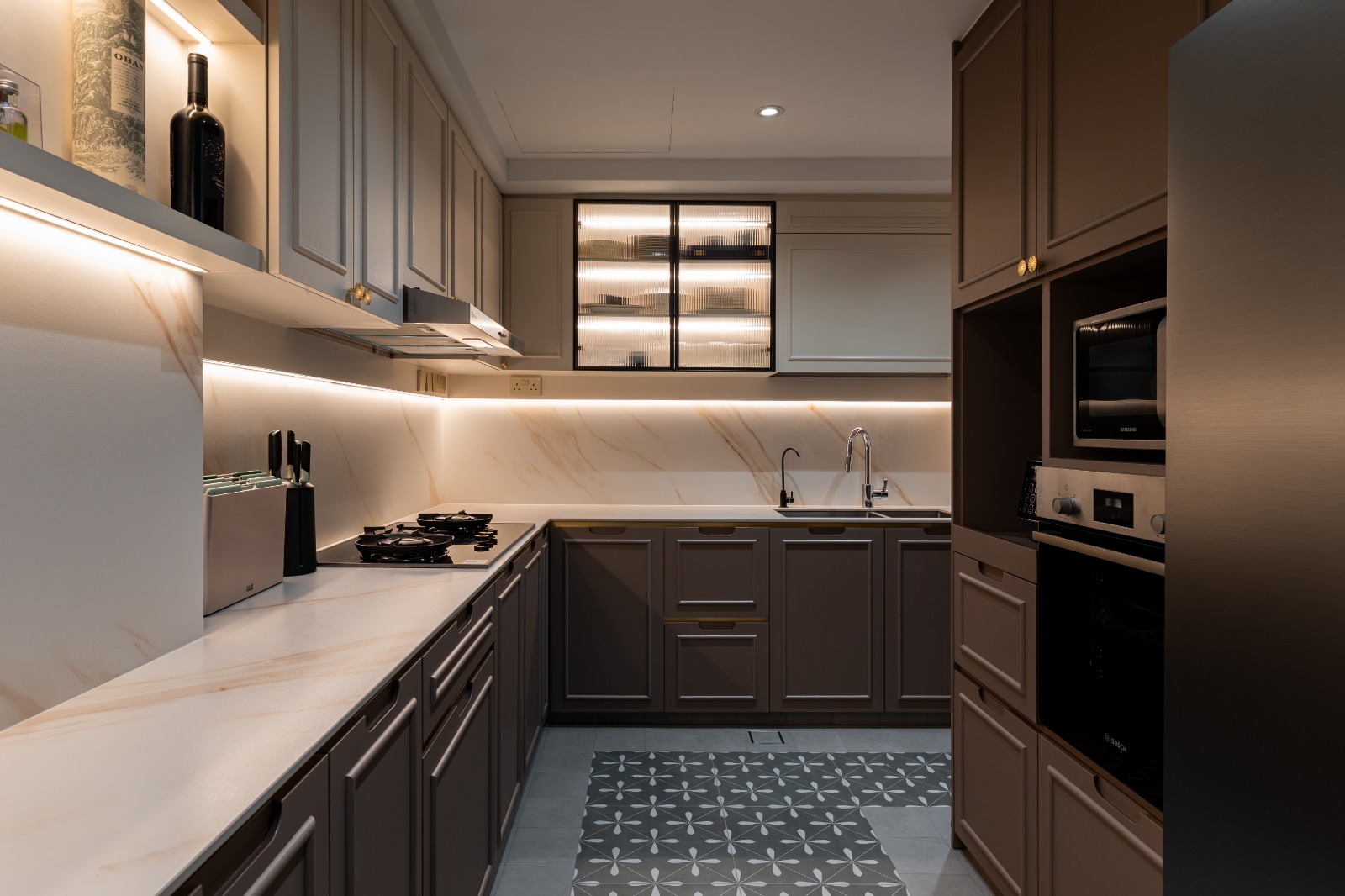
Storage planning also has a significant impact on how spacious a home feels. Floor-to-ceiling cabinetry maximises vertical storage while maintaining clean architectural lines, allowing daily essentials to remain concealed. Selective open shelving introduces opportunities for displaying decorative objects without overwhelming the overall design. This balance between hidden storage and curated display creates interiors that remain organised while still feeling personal.
Lighting is another key element that transforms the atmosphere of a home. Instead of relying solely on ceiling lights, layered lighting combines ambient illumination, task lighting, and accent lighting to highlight architectural features and improve functionality. Backlit mirrors, concealed LED strips, illuminated shelving, and carefully positioned downlights add depth throughout the day while making each room feel more inviting during the evening.
Material selection should always balance aesthetics with long-term durability. Stone-inspired surfaces provide natural variation and visual richness while offering excellent resistance to daily wear in kitchens and bathrooms. Decorative wall panels, textured feature walls, and carefully selected hardware contribute subtle character without dominating the overall design. Choosing durable finishes ensures the home continues to look refined even after years of everyday use.
Another defining characteristic of well-designed homes is the use of architectural elements to organise spaces. Decorative feature walls, bespoke TV consoles, and patterned partitions help define different zones while maintaining an open and connected layout. Instead of adding decoration as an afterthought, these architectural features become part of the home's overall composition, enhancing both functionality and visual balance.
Ultimately, timeless contemporary luxury is achieved through thoughtful restraint. Every design decision should contribute to comfort, practicality, and longevity rather than following short-term trends. By combining quality materials, integrated storage, layered lighting, and balanced proportions, homeowners can create interiors that remain elegant, functional, and enjoyable for many years.
Timeless contemporary homes focus on balanced proportions, high-quality materials, integrated storage, and neutral colour palettes rather than following short-lived design trends.
Neutral colours create a calm backdrop that allows textures, natural materials, and architectural details to become the focal points, making the space feel sophisticated and less likely to date.
Integrated storage keeps everyday items concealed while maintaining clean visual lines. This reduces clutter, maximises available space, and creates a more organised living environment.
Layered lighting combines ambient, task, and accent lighting to improve functionality while creating warmth, depth, and visual interest throughout different times of the day.
Popular materials include engineered stone, natural stone, timber veneers, textured laminates, fluted panels, glass, and matte finishes, chosen for both durability and aesthetic appeal.