Designing a Warm Minimalist Home with Soft Lighting and Integrated Functionality

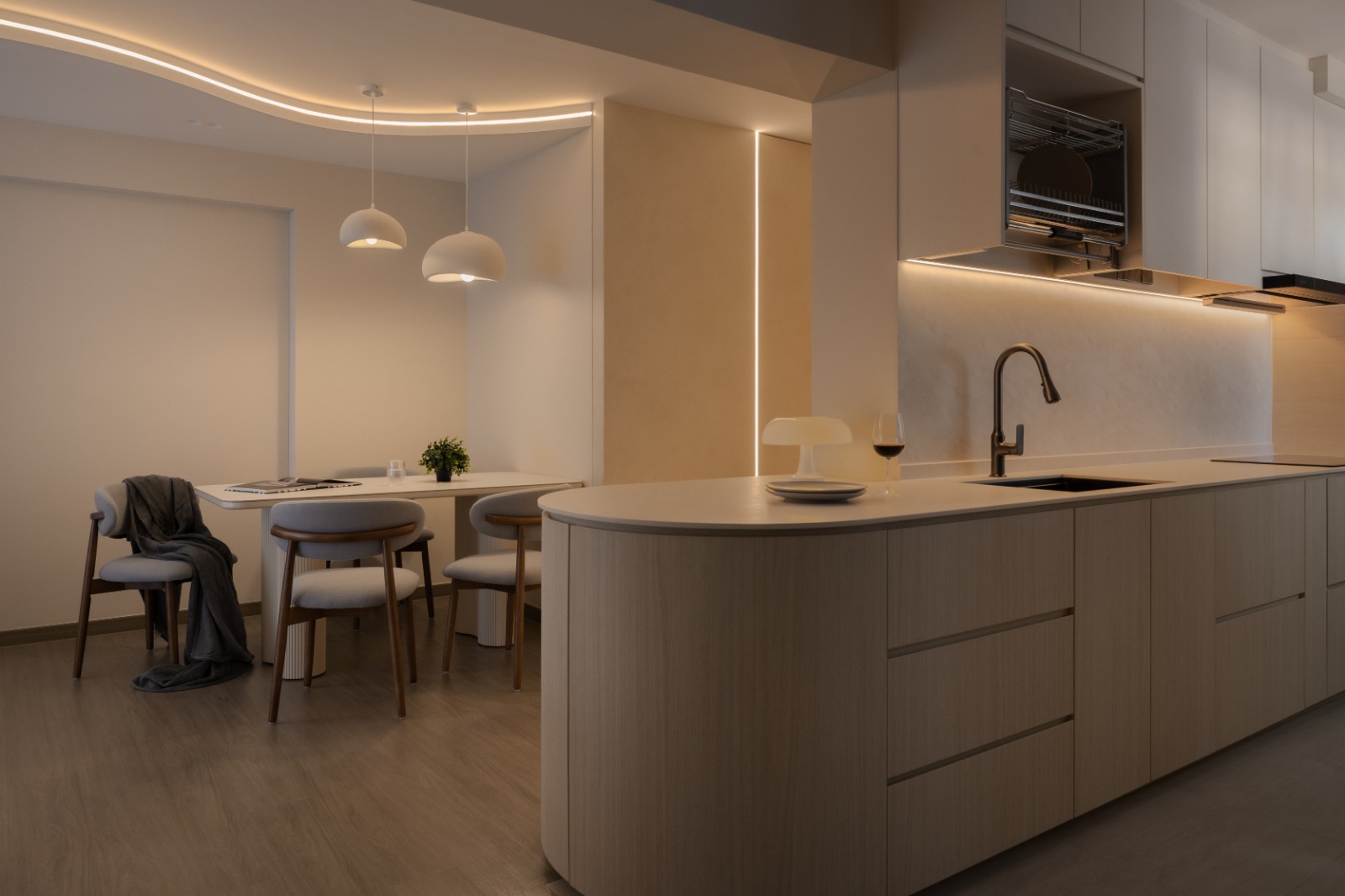
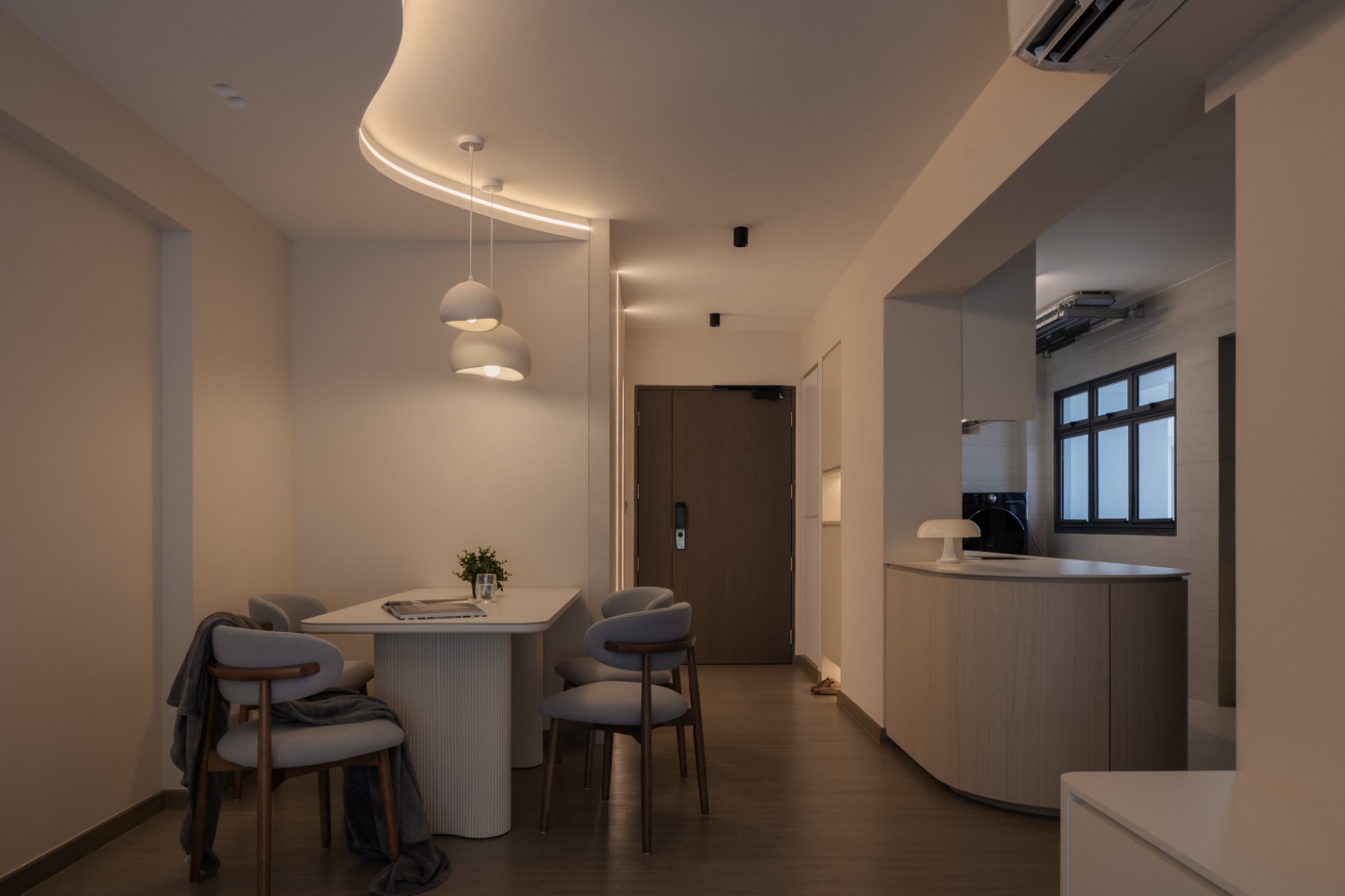
The home is designed to achieve warmth within a minimalist framework through soft lighting, integrated elements, and a restrained material palette.

kitchen in modern minimalist interior design style by Twothree Design

Warm minimalist design focuses on balancing simplicity with comfort, ensuring that the space feels inviting rather than stark. This is achieved through the use of layered lighting, including concealed strips and indirect illumination, which soften the overall atmosphere without introducing visual clutter. Built-in elements such as cabinetry, furniture, and feature walls are carefully integrated to maintain clean lines while supporting daily functionality. Materials are selected in warm neutral tones with subtle textures, allowing the space to feel cohesive and visually calm. By avoiding excessive detailing and focusing on proportion, light, and integration, the home maintains a sense of clarity while remaining comfortable and adaptable for long-term living.

published on
27 Jul 2026
written by

Frequently Asked Questions

What Is Warm Minimalist Interior Design?

Warm minimalist design combines clean, simple layouts with soft lighting and warm-toned materials, creating a space that feels calm, inviting, and comfortable rather than cold or stark.

How Does Lighting Affect A Minimalist Home?

Lighting plays a key role in shaping the atmosphere. Indirect and layered lighting softens the space, highlights materials, and reduces the need for multiple visible fixtures.

How Can A Minimalist Home Feel Warm Instead Of Empty?

Warmth can be introduced through material choices, such as wood tones and soft textures, as well as through lighting and balanced proportions that make the space feel comfortable.

Why Is Integration Important In Minimalist Design?

Integration ensures that storage, furniture, and architectural elements blend seamlessly, reducing visual clutter and maintaining clean, uninterrupted lines.

Is Minimalist Design Suitable For Everyday Living?

Yes, when planned properly, minimalist design supports daily routines by focusing on functionality, clarity, and ease of maintenance.